Things You Need To Know About Hazardous Waste Containers
Brad • April 8, 2019
Things You Need To Know About Hazardous Waste Containers
Keep your home in top shape with regular maintenance and professional care. A small leak can grow into a major problem if you don't take care of it quickly.
Keep your home in top shape with regular maintenance and professional care. A small leak can grow into a major problem if you don't take care of it quickly.
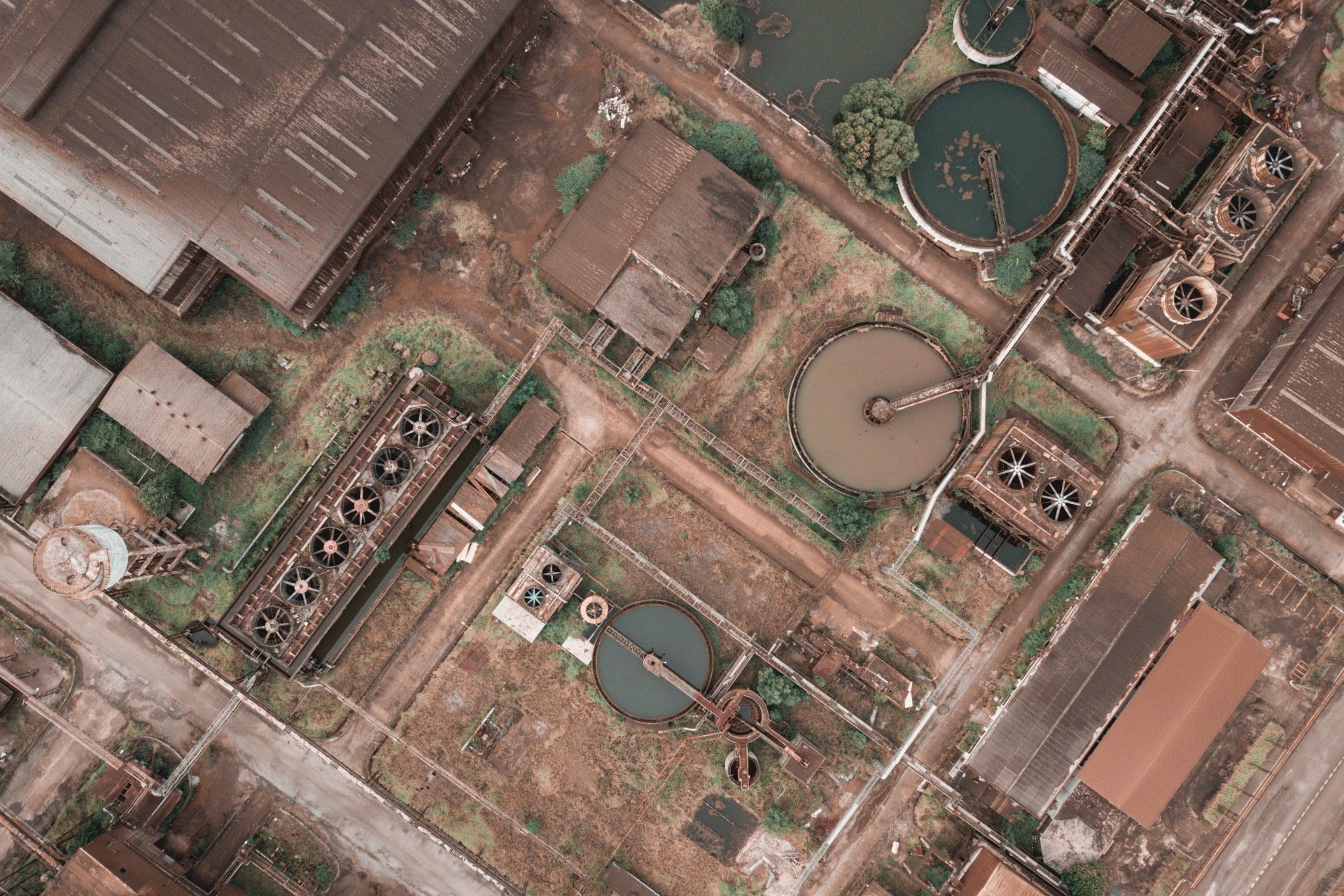
Investment in technology is pivotal in modern waste management strategies. Businesses should explore and invest in waste recycling technologies that align with their manufacturing processes.
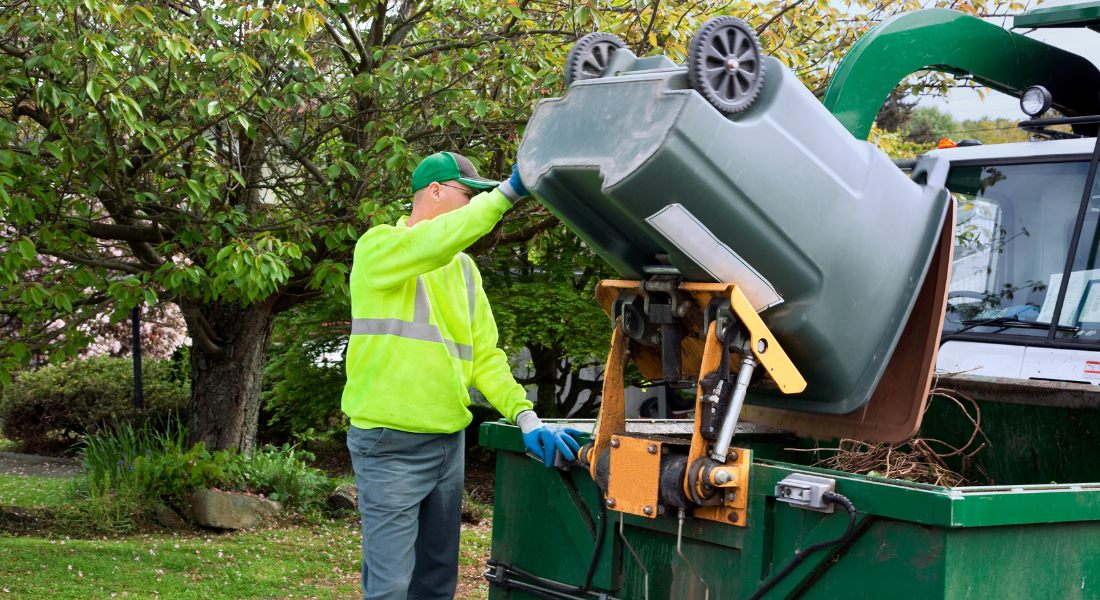
Learn about the stages of trash as it travels from the bin to the landfill and decomposes, including disposal, transportation, sorting, and breakdown. Understand your role in the waste life cycle through conscious consumption, proper sorting, and advocacy.
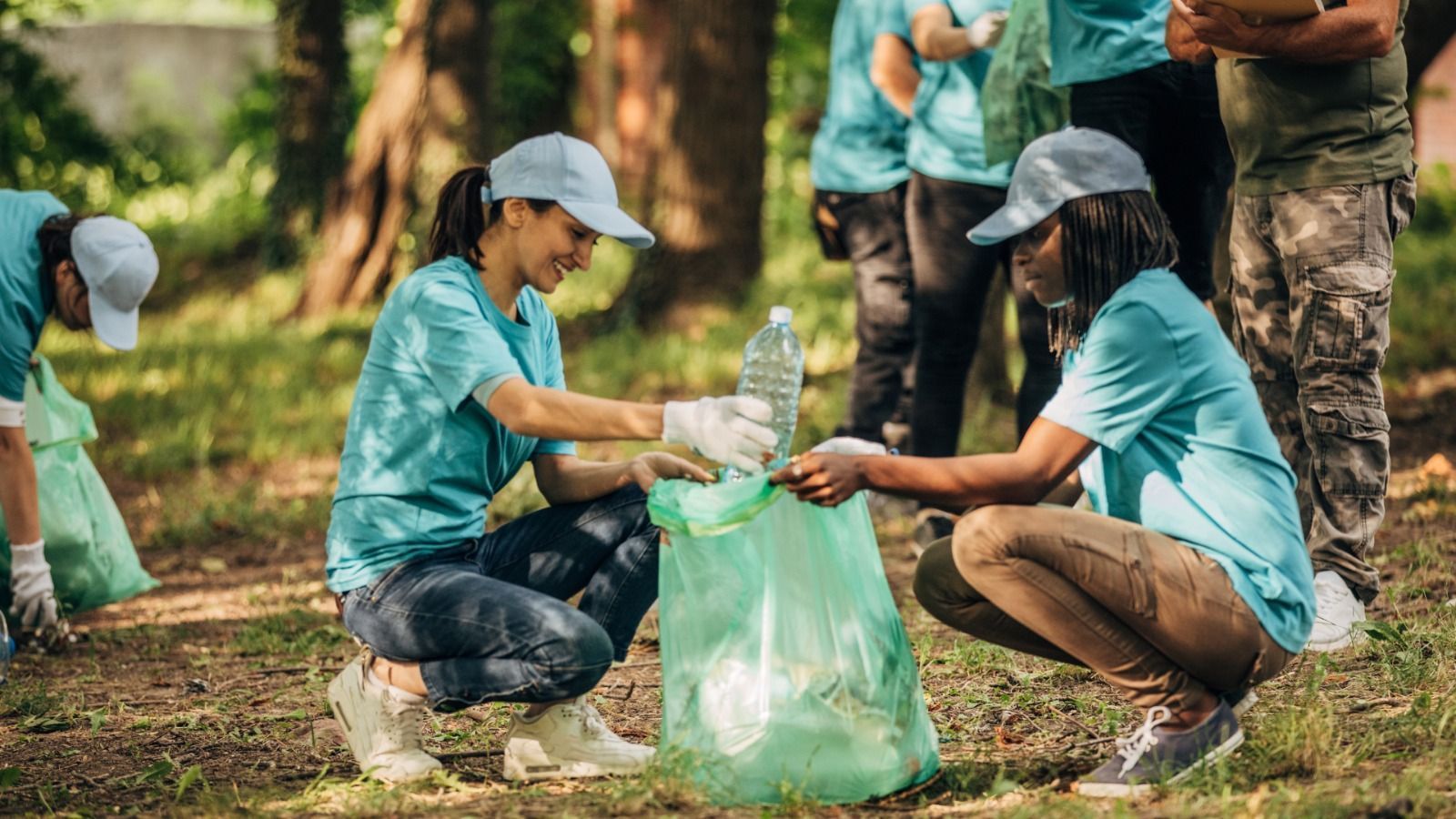
Single-use plastics pollute ecosystems, leach chemicals into food, and accumulate in landfills. Explore their environmental and health impacts and solutions to reduce plastic waste.

Employees play a crucial role in the successful implementation of waste solutions. Continuous training programs can keep the staff updated on best practices, new technologies, and methodologies for waste reduction.
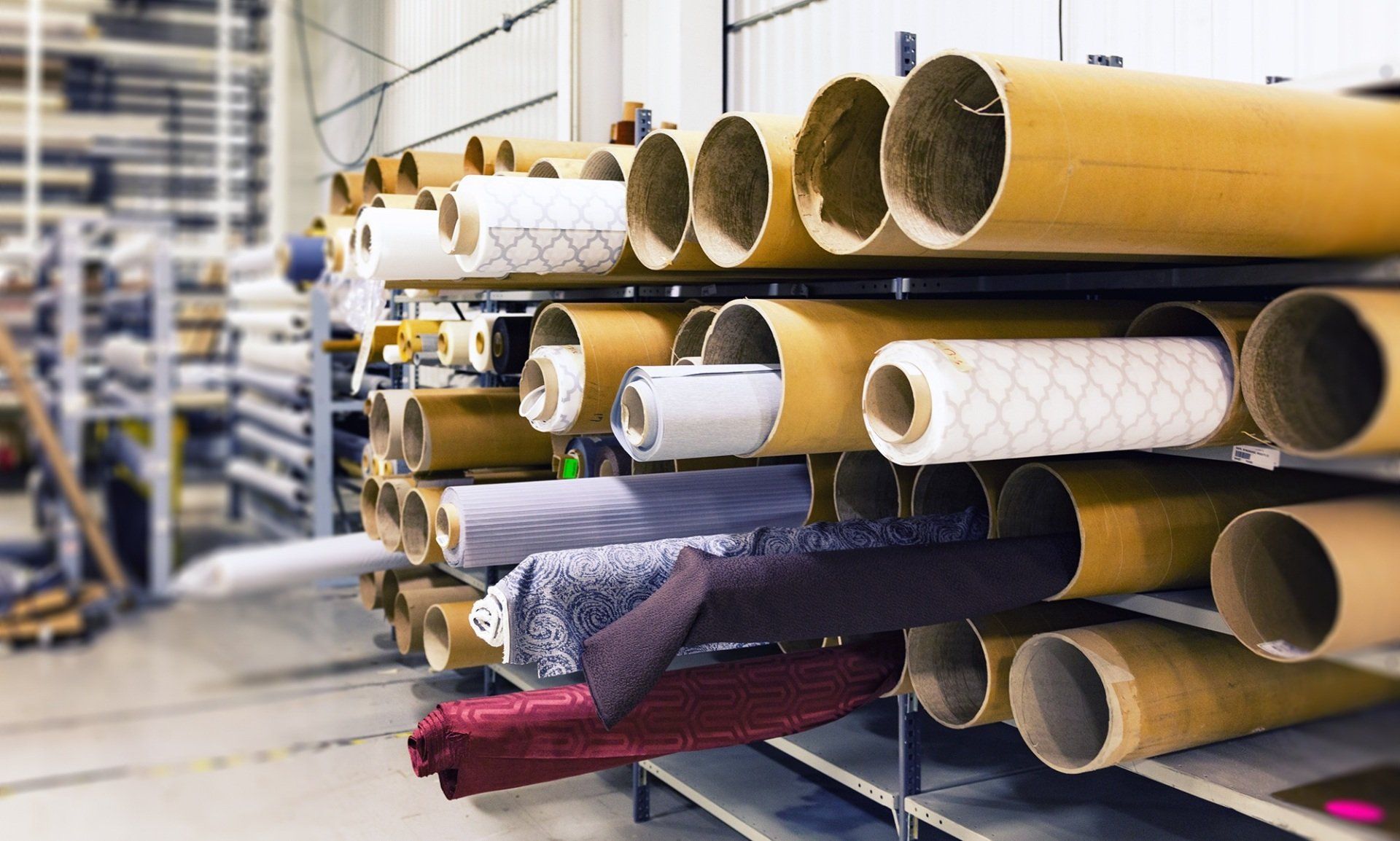
A successful business is not just about optimizing profits but also managing resources efficiently. For manufacturing businesses, waste management is paramount. Identifying areas where waste is generated is the first step towards finding effective waste solutions.

Fast fashion harms the planet through water pollution, CO2 emissions, and textile waste. Learn eco-friendly solutions to reduce your clothing footprint through sustainable laundry, recycling, and disposal.
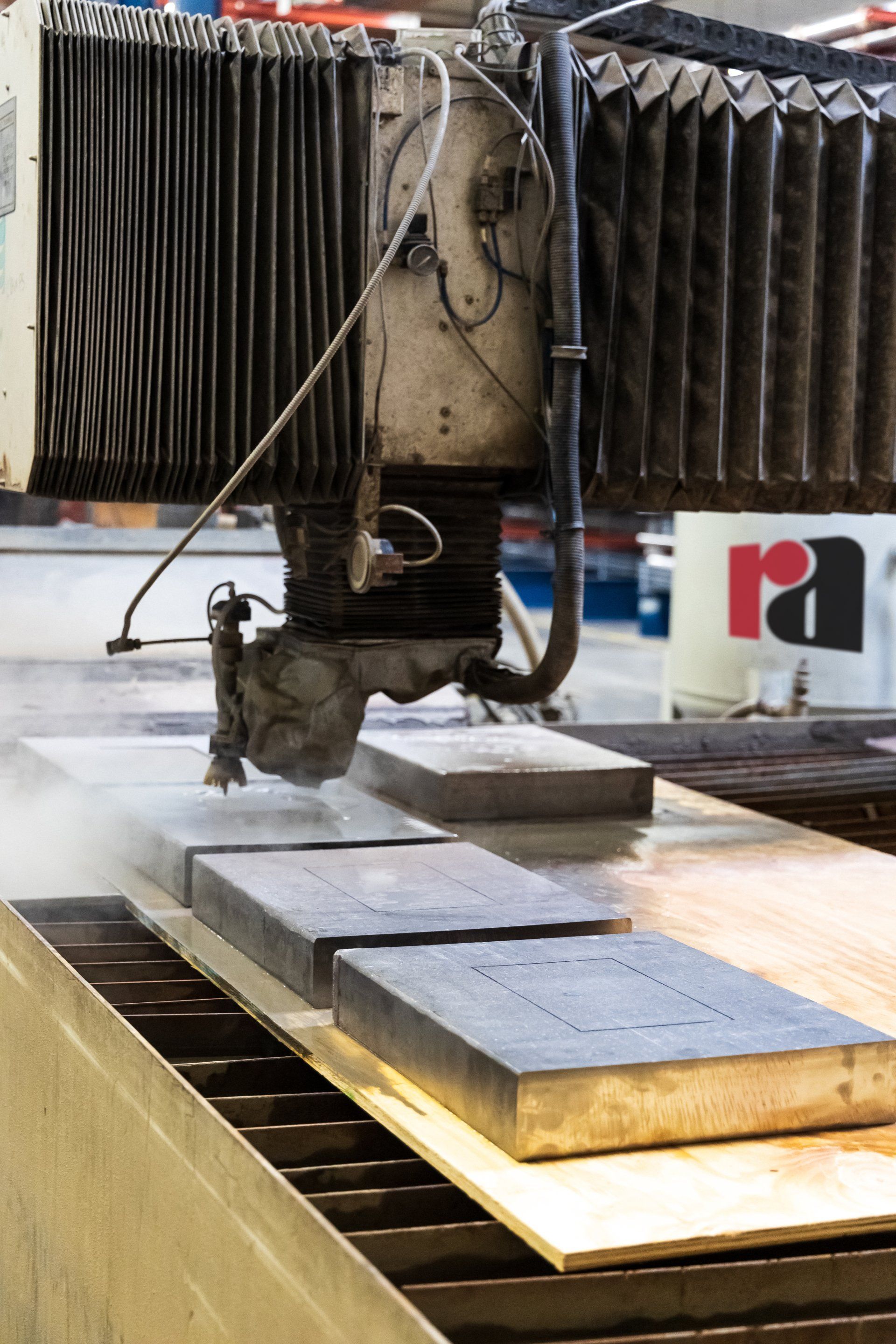
Strategizing on waste solutions goes beyond the confines of the business premises. It extends to the choice of suppliers and partners that a business collaborates with. Working with eco-friendly suppliers means that the products entering the manufacturing process are already optimized for minimal waste.
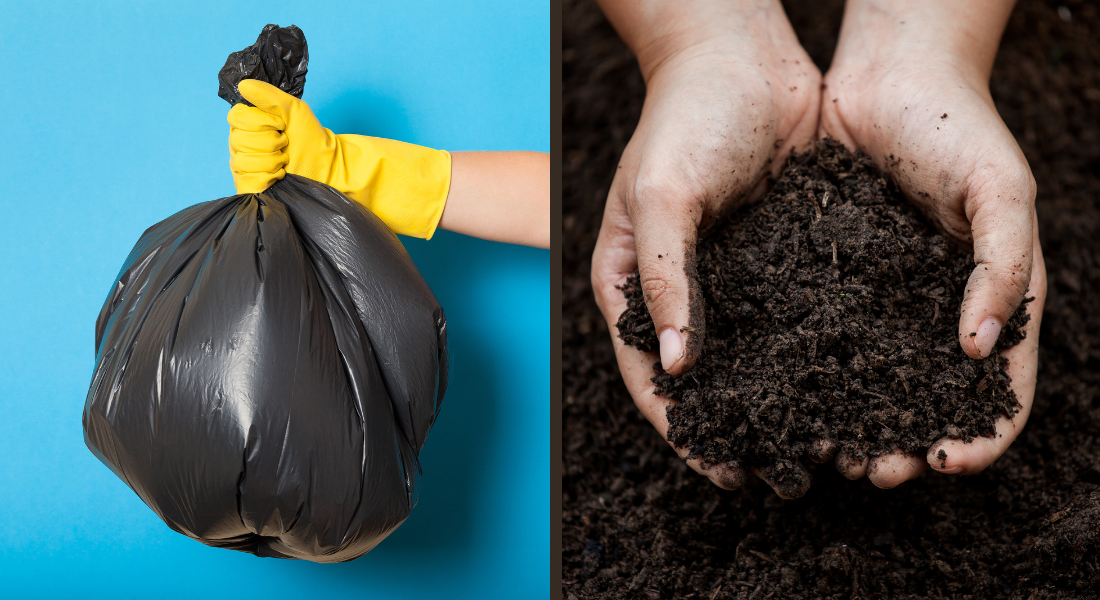
That crumpled receipt. The worn-out tennis shoes with the holes. The leftover spaghetti that's been in the fridge just a little too long. When we're ready to get rid of our waste, we toss it in the bin without a second thought. But where does our trash go after it leaves our homes? What happens to it next? The life cycle of garbage is more complex than you might think. By understanding the path our waste takes, we can make more informed choices to reduce its environmental impact.
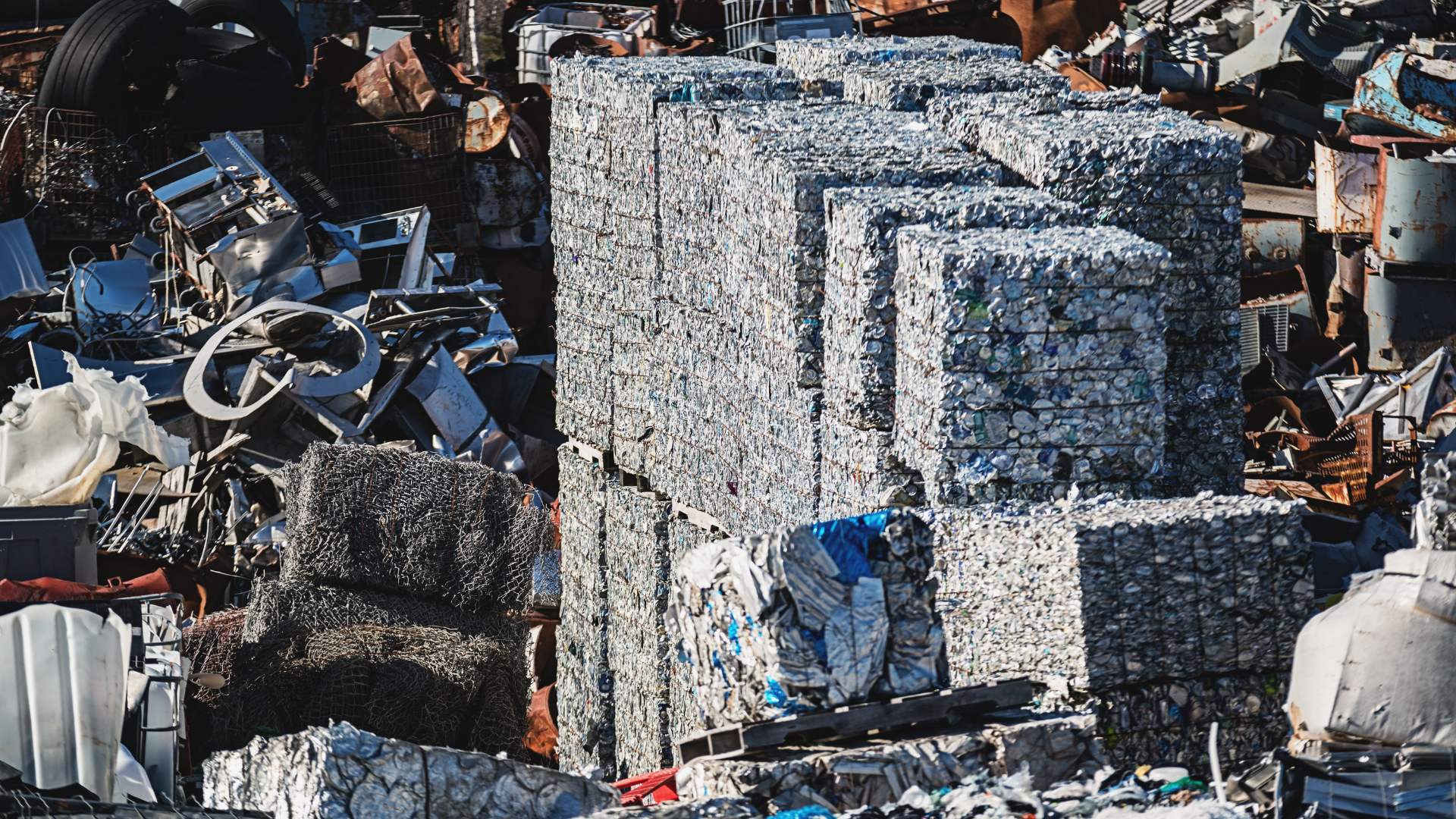
Discover what happens when you recycle, how different materials are processed and why recycling is essential for a sustainable future.
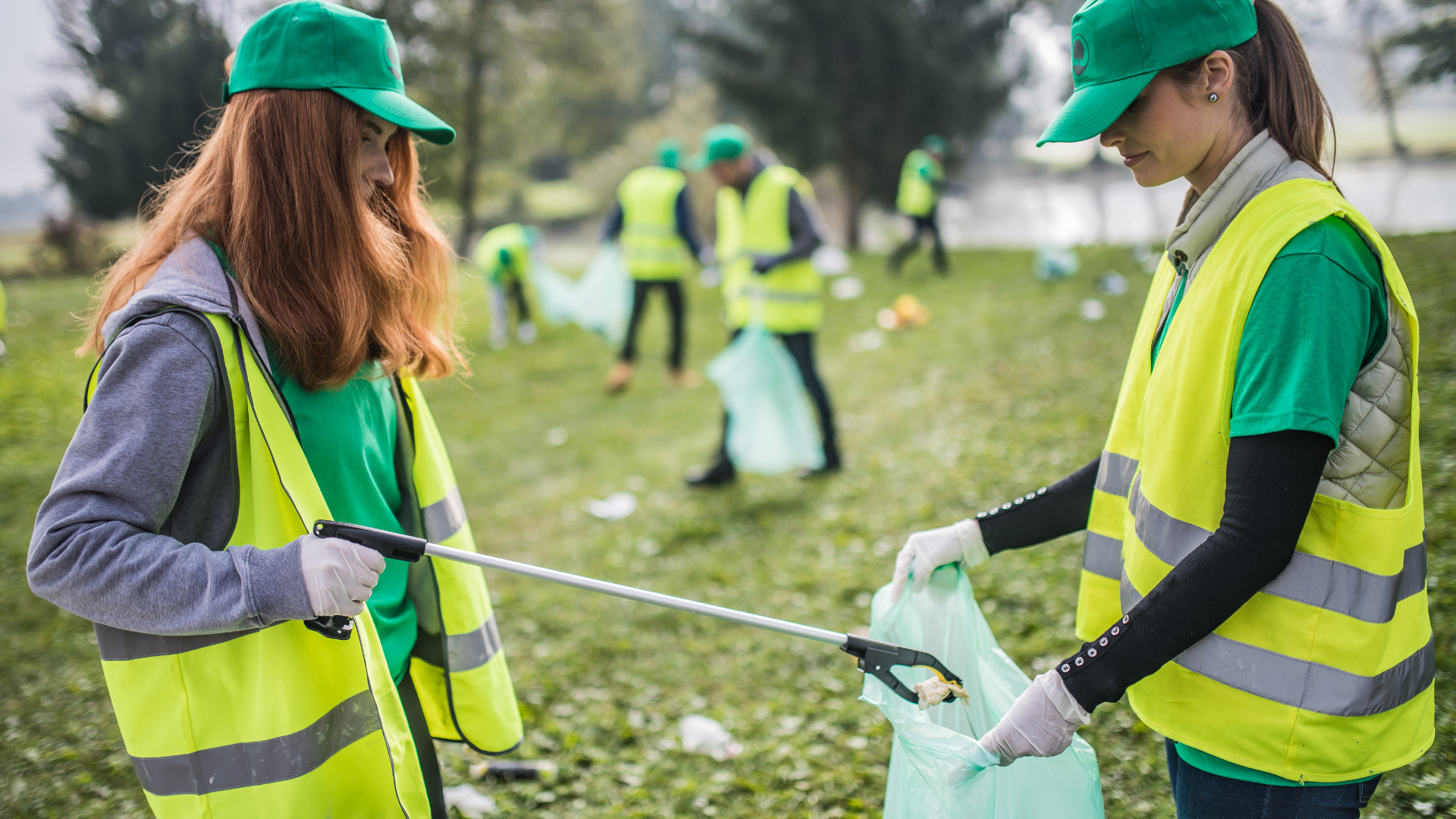
Discover the importance of responsible waste management, and learn what you can do to reduce waste and protect our planet from the adverse effects of waste pollution.