Recyclable Waste harmful to pets
Brad • September 30, 2021
5 Recyclable Wastes That Are Hazardous to Pets
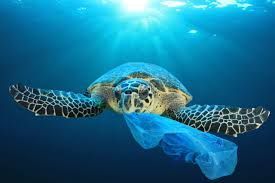
“Each year, over 100,000 marine mammals die because of consuming or becoming entangled in floating plastic debris”
For any type of litter, animals of all shapes and sizes are at risk of harming themselves; even chewing toys can be harmful. There are a variety of ways to help improve recycling efforts in the community and reduce the likelihood of litter harming animals. With pets, there isn’t as much of a concern about litter as there is with wild animals.
Anyone who has ever had a puppy knows that anything that isn’t tied down is at risk of being chewed. A pet may injure themselves if we leave recyclable waste out in the open rather than properly stored in a commercial recycling bin.
It’s simple to keep animals safe from harmful garbage. This is possible by recycling, reusing, or simply tossing trash in the bin to dispose of it responsibly.
Animal-Harmful Recyclable Waste
The following are widely known items can harm pets if they aren’t properly recycled:
- Cans of aluminum and tin: The sharp edges of the cans can cut pets.
- Styrofoam: It is a type of polystyrene that is a choking hazard and is poisonous to pets. It is a more tough material to recycle than other recyclables.
- Jars and cups made of glass : Hungry or curious pets can get their heads stuck in these easily.
- Bags and bottles made of plastic: Plastic bags are harmful if eaten by accident, and in rare cases, they can cause suffocation. If chewed on, microplastics from bottles can be ingested.
- Hooks and fishing line: Pets can swallow hooks and fishing lines and this can lead to the death of them.
- Lanterns: Chinese lanterns can seriously injure animals, also known as sky lanterns, because of ingestion, entanglement, and entrapment.
Potentially dangerous Organic Waste for Pets
As much as we’d like to think of our pets as living compost bins, feeding them these foods can actually be harmful to them:
- Spoiled food
- Products made of paper
- Napkins and pampers
Conclusion
To prevent the harm to pets, one must consider investing in a commercial recycling bin with a lid if they haven’t already. This is to keep the pets and wild animals from harming themselves.
We can’t always avoid mishaps and mistakes, but the more we know about the common hazards that pets face, the better prepared one will be to avoid them. Certain types of essential oils used in diffusers are one non-waste-related hazard that pets face.
Everyday objects that appear to be absolutely safe can become dangerous when accidentally discovered by animals. By properly disposing of our trash rather than littering, we are making decisions that may save many lives.
GET IN TOUCH TODAY
TVG Waste Consulting
provides proactive environmental consulting services. We're dedicated to saving you time, money, and making sure you have a custom solution to meet your needs.
Contact us
today!
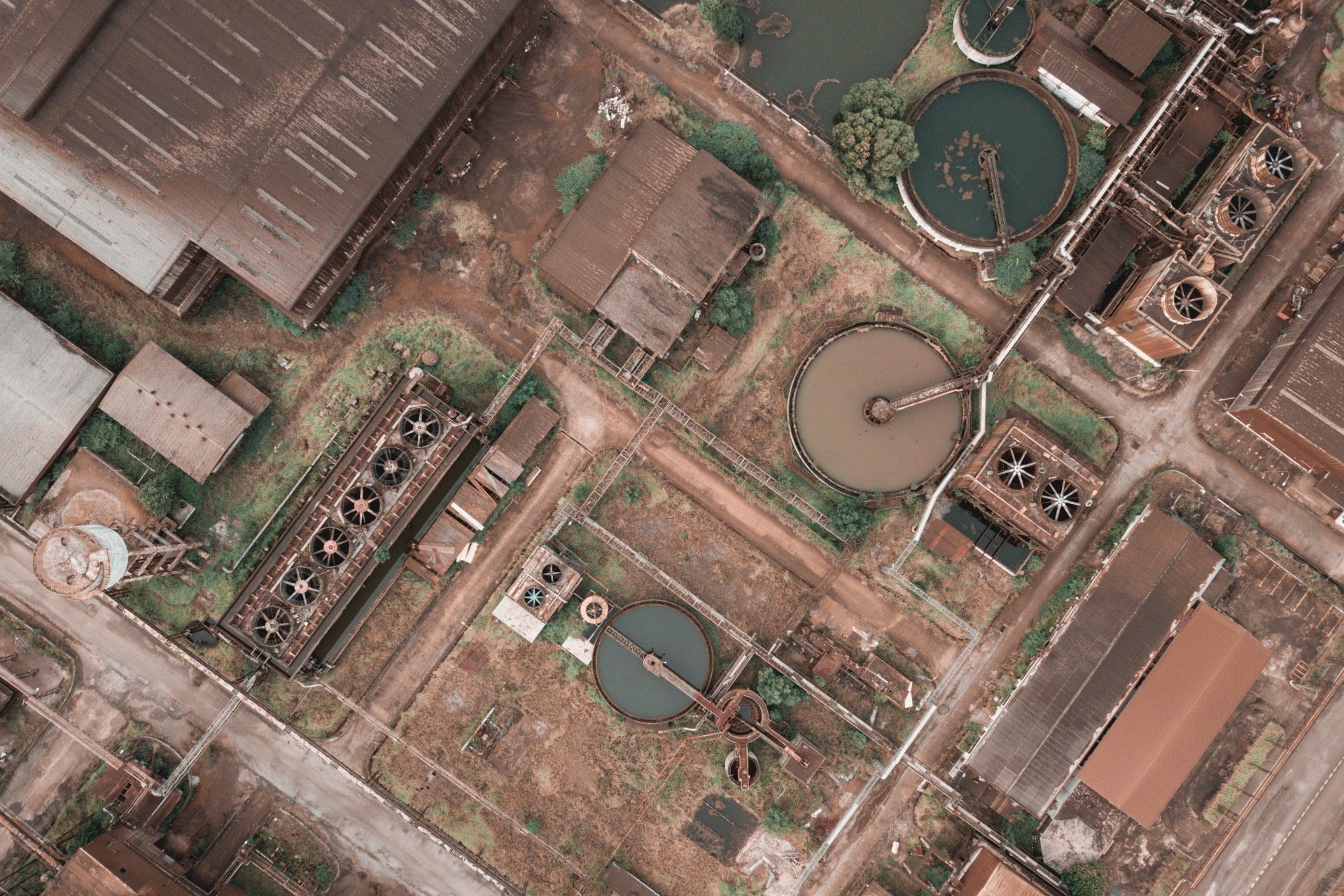
Investment in technology is pivotal in modern waste management strategies. Businesses should explore and invest in waste recycling technologies that align with their manufacturing processes.
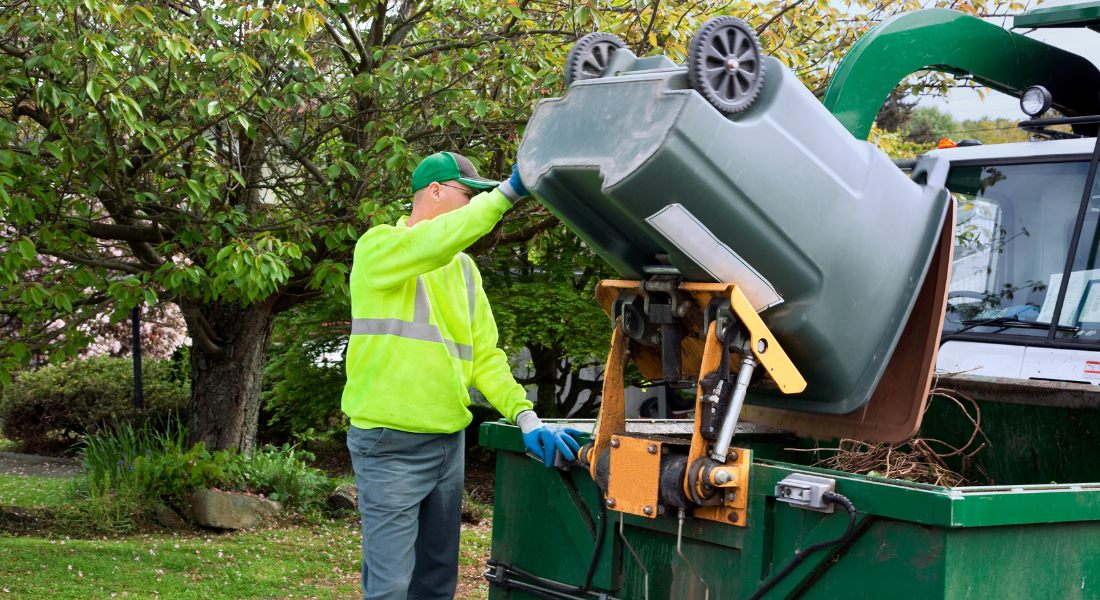
Learn about the stages of trash as it travels from the bin to the landfill and decomposes, including disposal, transportation, sorting, and breakdown. Understand your role in the waste life cycle through conscious consumption, proper sorting, and advocacy.
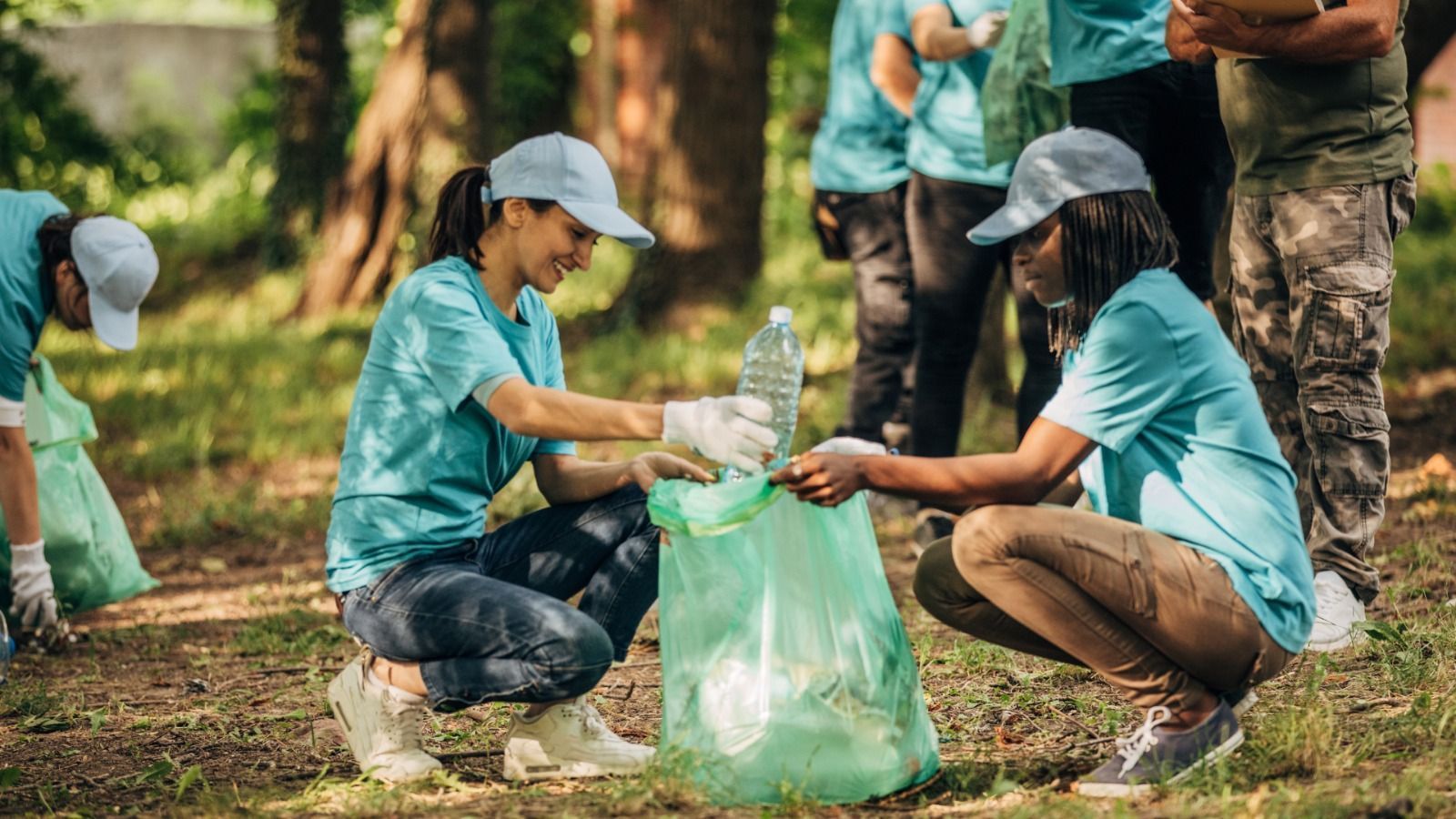
Single-use plastics pollute ecosystems, leach chemicals into food, and accumulate in landfills. Explore their environmental and health impacts and solutions to reduce plastic waste.

Employees play a crucial role in the successful implementation of waste solutions. Continuous training programs can keep the staff updated on best practices, new technologies, and methodologies for waste reduction.
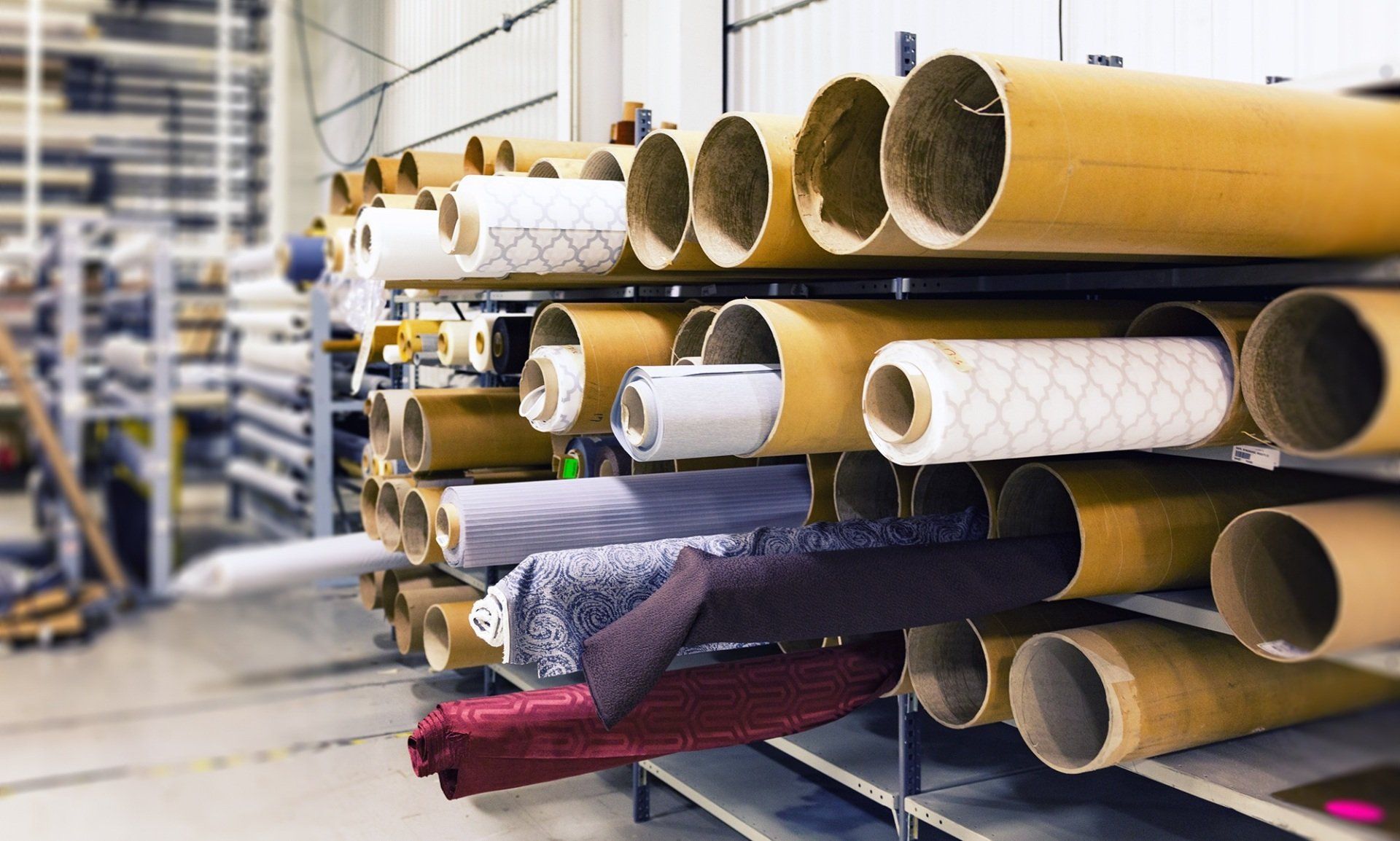
A successful business is not just about optimizing profits but also managing resources efficiently. For manufacturing businesses, waste management is paramount. Identifying areas where waste is generated is the first step towards finding effective waste solutions.

Fast fashion harms the planet through water pollution, CO2 emissions, and textile waste. Learn eco-friendly solutions to reduce your clothing footprint through sustainable laundry, recycling, and disposal.
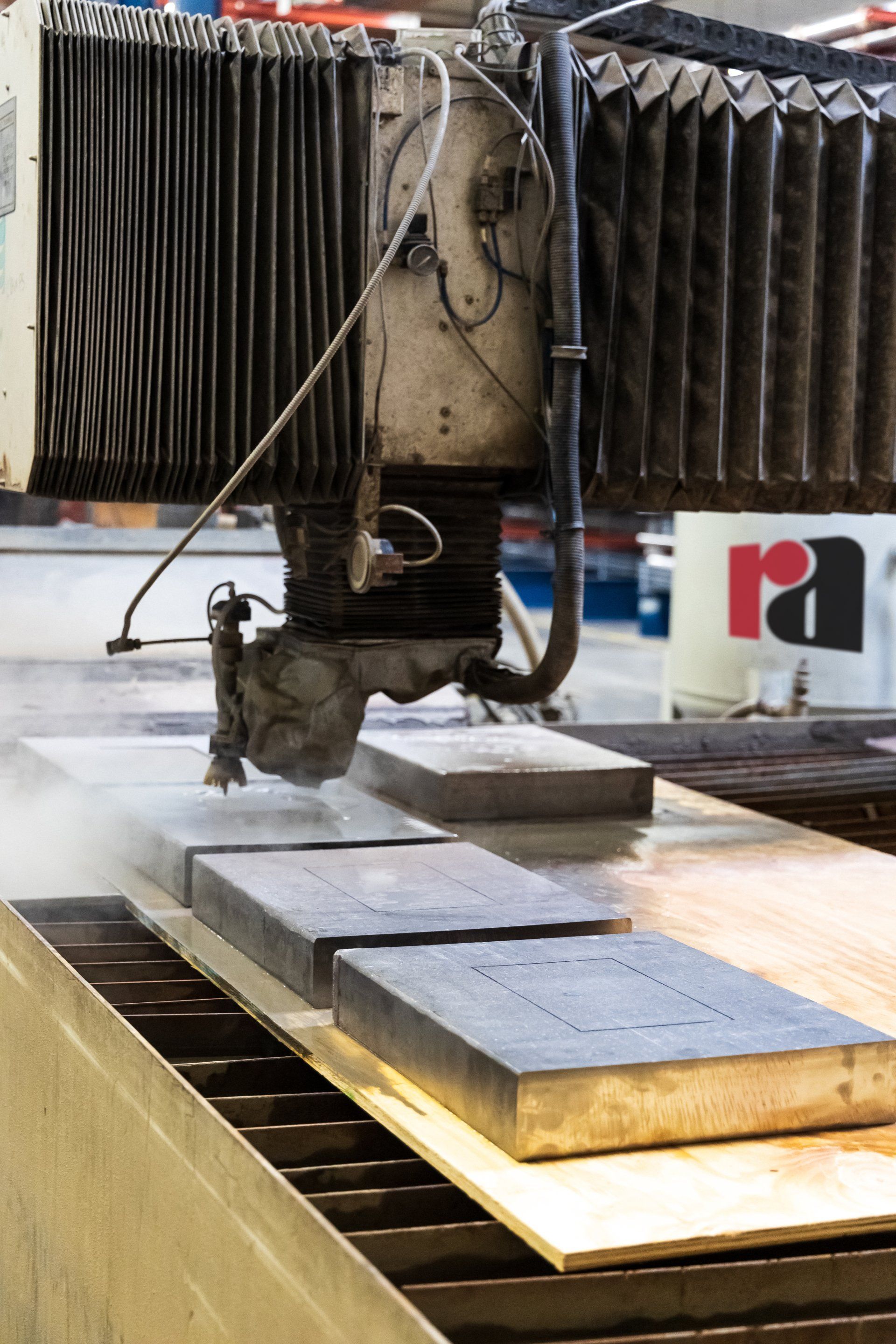
Strategizing on waste solutions goes beyond the confines of the business premises. It extends to the choice of suppliers and partners that a business collaborates with. Working with eco-friendly suppliers means that the products entering the manufacturing process are already optimized for minimal waste.
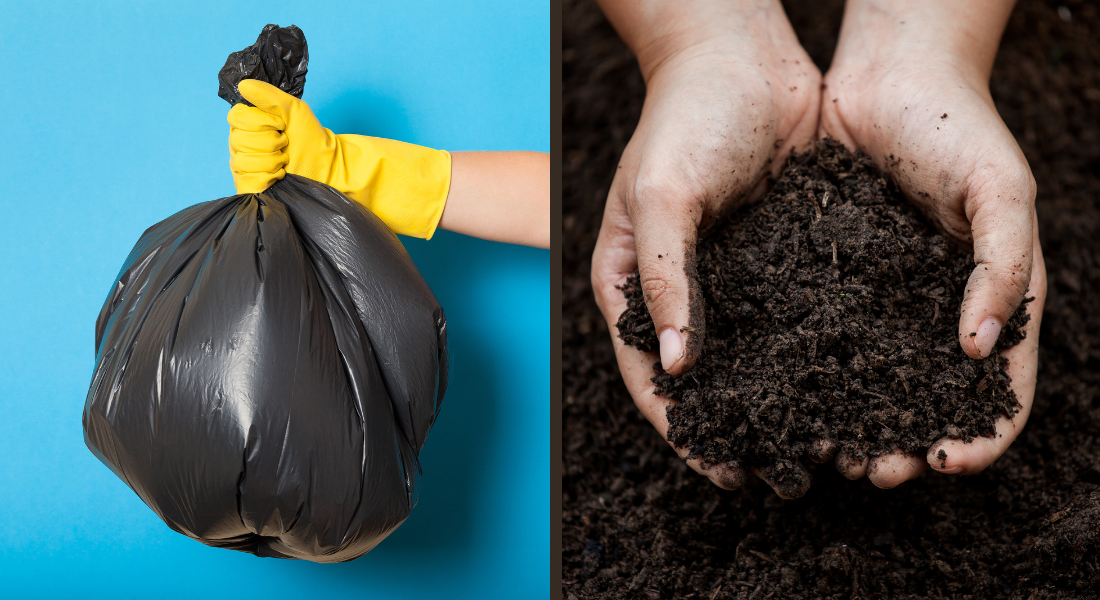
That crumpled receipt. The worn-out tennis shoes with the holes. The leftover spaghetti that's been in the fridge just a little too long. When we're ready to get rid of our waste, we toss it in the bin without a second thought. But where does our trash go after it leaves our homes? What happens to it next? The life cycle of garbage is more complex than you might think. By understanding the path our waste takes, we can make more informed choices to reduce its environmental impact.
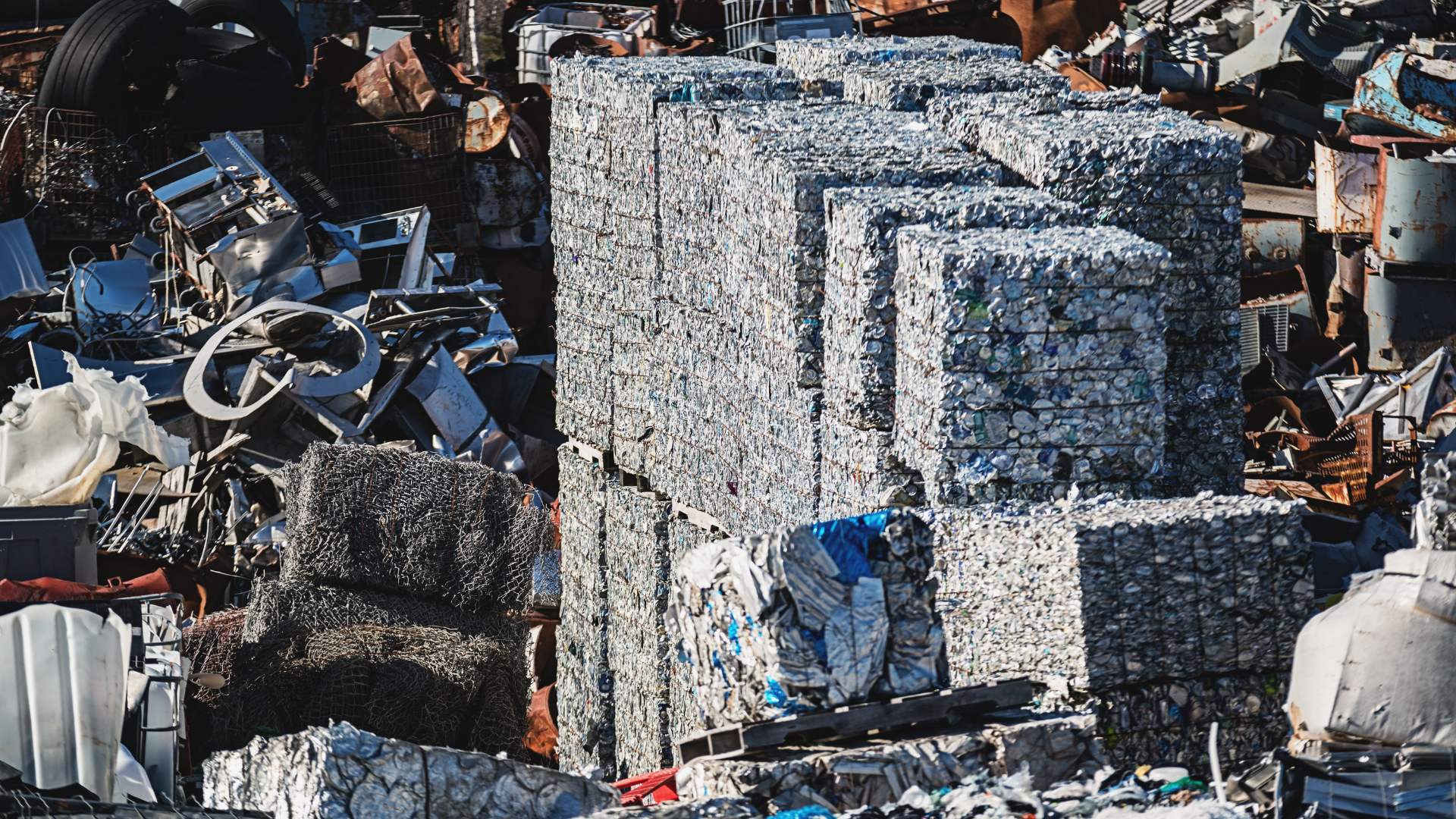
Discover what happens when you recycle, how different materials are processed and why recycling is essential for a sustainable future.
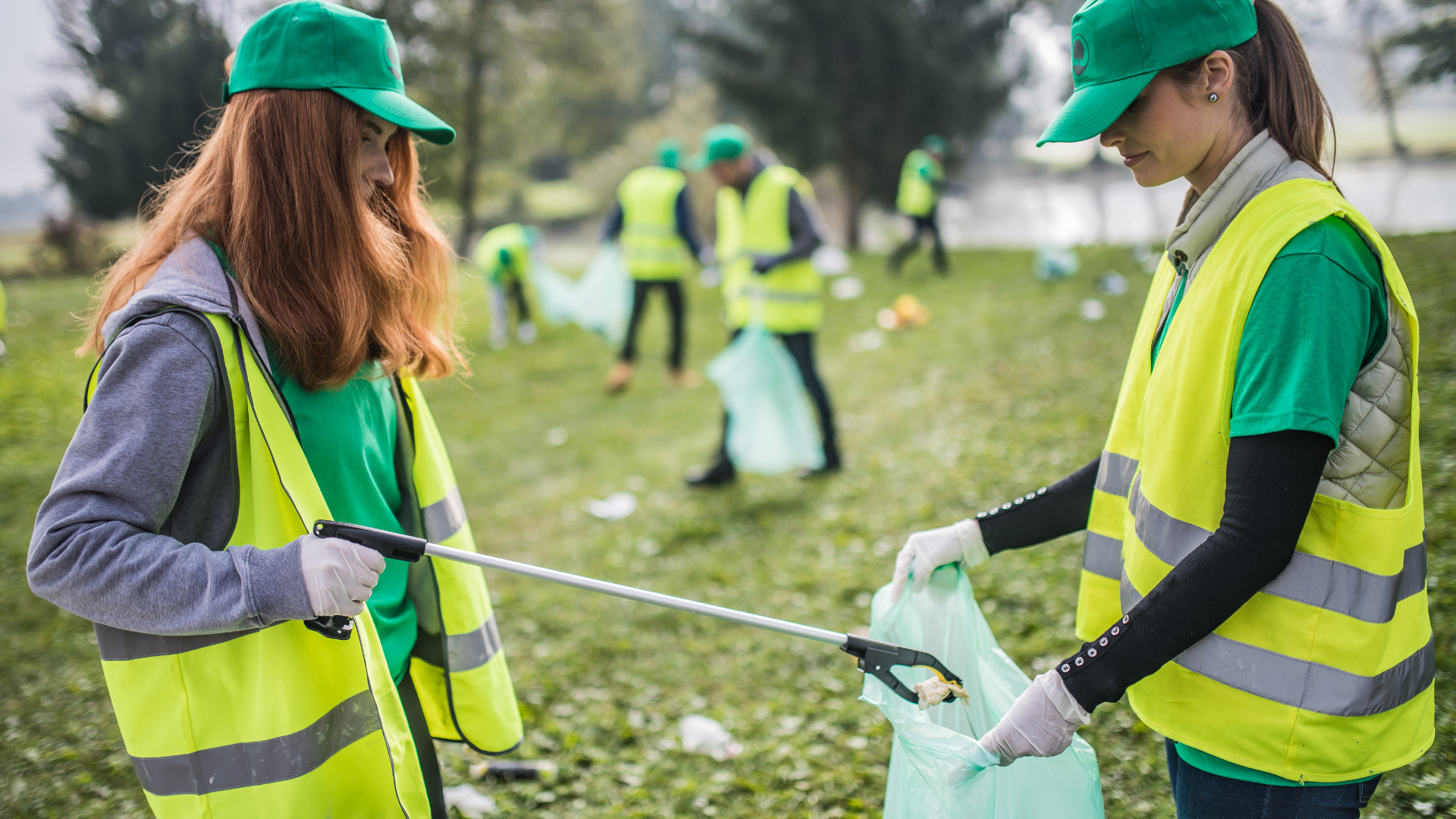
Discover the importance of responsible waste management, and learn what you can do to reduce waste and protect our planet from the adverse effects of waste pollution.