Top 8 Items to Recycle to Save the Environment
Brad • August 23, 2021
"The recycling rate in the US currently stands at 66% for paper and cardboard, 27% for glass, and 8% for plastics"
Disposable waste is highly harmful to the environment. The majority of the products purchased come with packaging and materials that end up in landfills or, in the worst-case scenario, in the ocean. Over-reliance on recycling can lead to people living in more minor sustainable ways even though the primary goal of recycling is to reduce or eliminate waste.
Despite this issue, recycling has numerous environmental advantages. Teaching people which items are recyclable is sometimes all that is required.
Despite this issue, recycling has numerous environmental advantages. Teaching people which items are recyclable is sometimes all that is required.
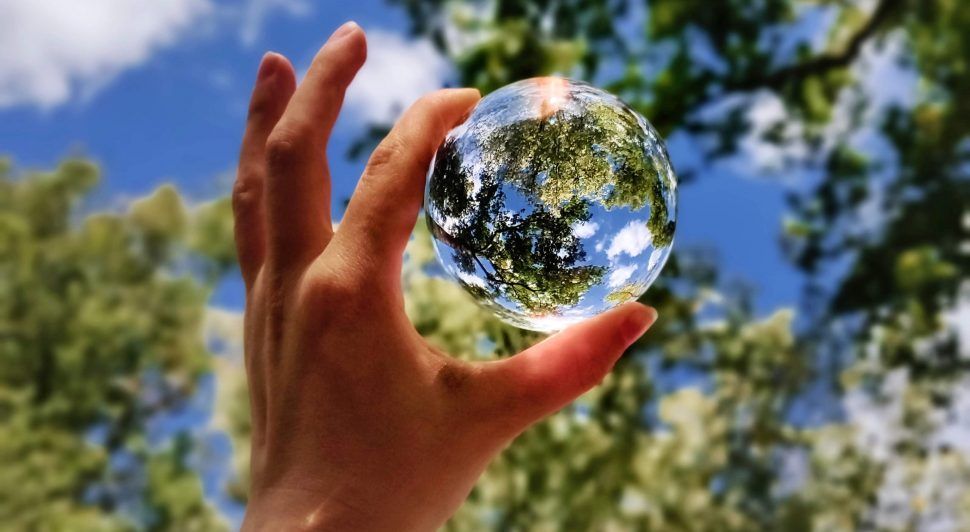
8 Things To Recycle To Benefit & Save the Planet
This blog explains how recycling the following materials can have significant environmental benefits:
1. Plastic
Plastic waste is harmful to the environment since it takes a long time to decompose. Even when it does, it produces micro-plastics, which can easily find their way into places where they shouldn't be.
HDPE and PET are the most commonly recycled plastics, while the others are more difficult to recycle.
2. Paper
Although paper waste isn't as harmful to the environment as plastic, the advantages of recycling paper are well worth the effort. People can use outdoor recycling bins at home to recycle books, newspapers, and even glossy magazines.
3. Glass
Sand is used for glass making. Although it may appear redundant, the world is running out of sand. The purpose of recycling is to help the environment by reducing resource consumption. Therefore, the sand can be conserved by recycling glass. Sand is among the most accessible materials to recycle.
4. Electronics
Most electronic waste contains recyclable materials that can harm the environment if disposed of in a landfill. As a result, they must be recycled.
5. Metals
Metal is used in the making of different products. Metal must be mined from the earth, which harms the area and environment in the mines.
Metals can be recycled together in recycling plants because they are separated from the other recycling products. If necessary, some local businesses can also recycle scrap metal.
Metals can be recycled together in recycling plants because they are separated from the other recycling products. If necessary, some local businesses can also recycle scrap metal.
6. Organic Materials
Organic waste is beneficial to the environment and rarely causes harm. Composting necessitates the use of an organic waste bin as well as time. We can then use the compost for planting, gardening, etc.
7. Tires
It's challenging to recycle car tires and other commercial rubber materials found in a variety of products. Even when adequately discarded, most rubber products are burned. The tire can be disposed of in an environmentally friendly manner at a recycling facility.
8. Clothes
Textile recycling is less common than one might expect, which is unfortunate for the environment because it takes hundreds of years for textiles to degrade. Donating or selling them to thrift stores is the only way to avoid this.
Takeaway
When 90% of the above mentioned items are recycled, they benefit the environment, but some research is required to properly dispose of the recycling materials. For example, one of the best things to recycle is paper, but it can't be recycled if it's wet.
GET IN TOUCH TODAY
TVG Waste Consulting
provides proactive environmental consulting services. We're dedicated to saving you time, money, and making sure you have a custom solution to meet your needs.
Contact us
today!
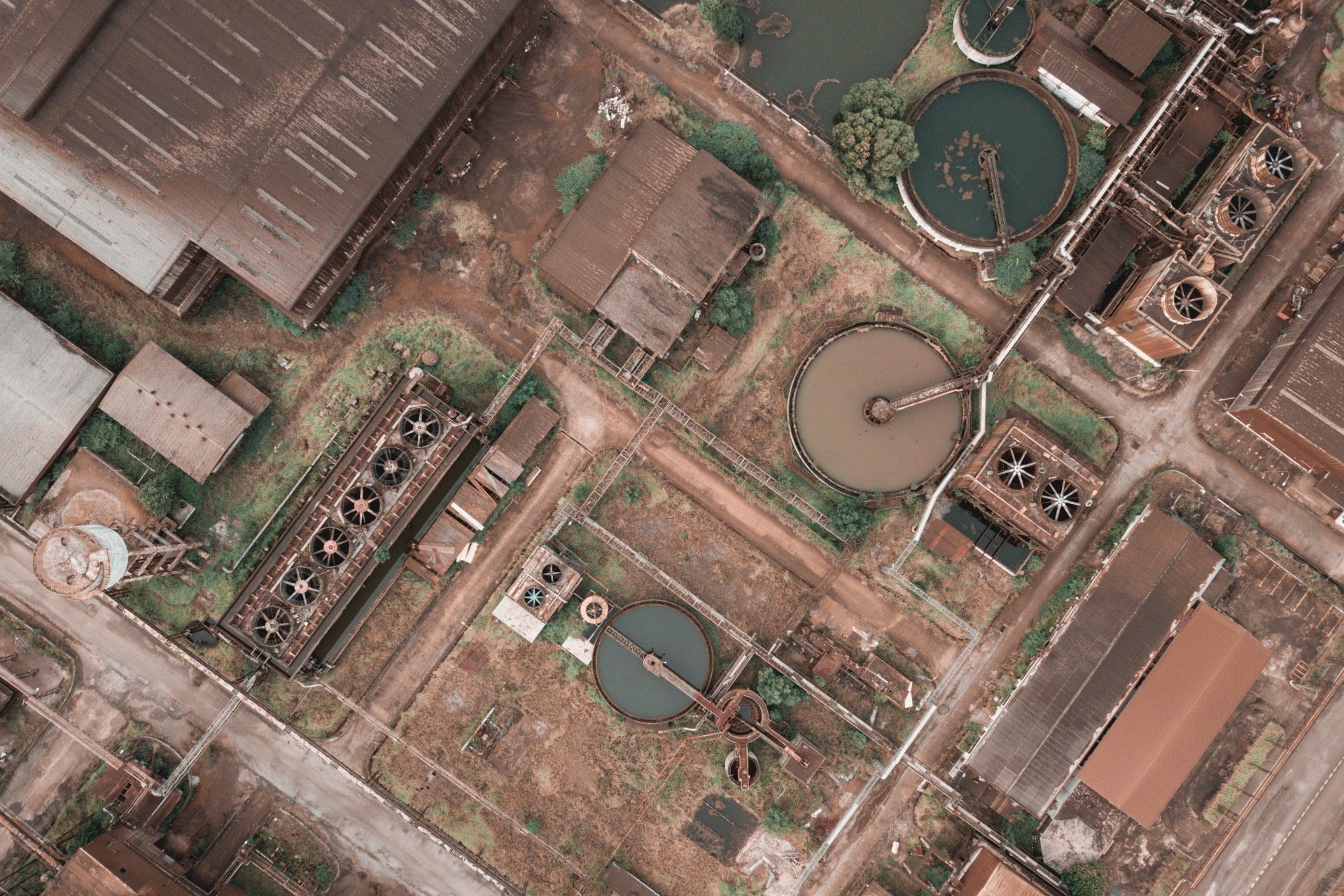
Investment in technology is pivotal in modern waste management strategies. Businesses should explore and invest in waste recycling technologies that align with their manufacturing processes.
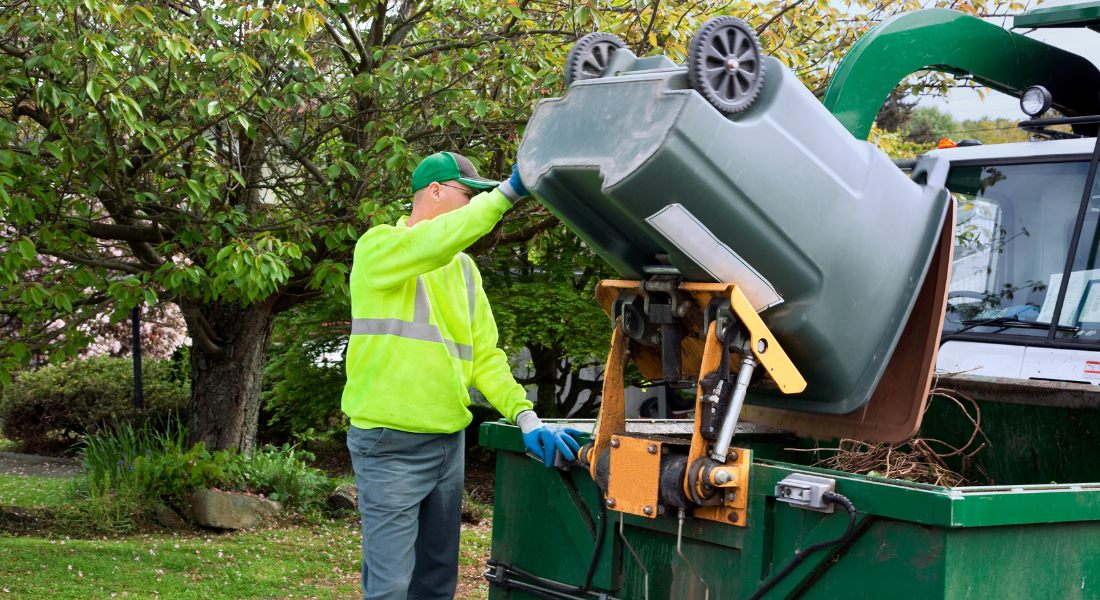
Learn about the stages of trash as it travels from the bin to the landfill and decomposes, including disposal, transportation, sorting, and breakdown. Understand your role in the waste life cycle through conscious consumption, proper sorting, and advocacy.
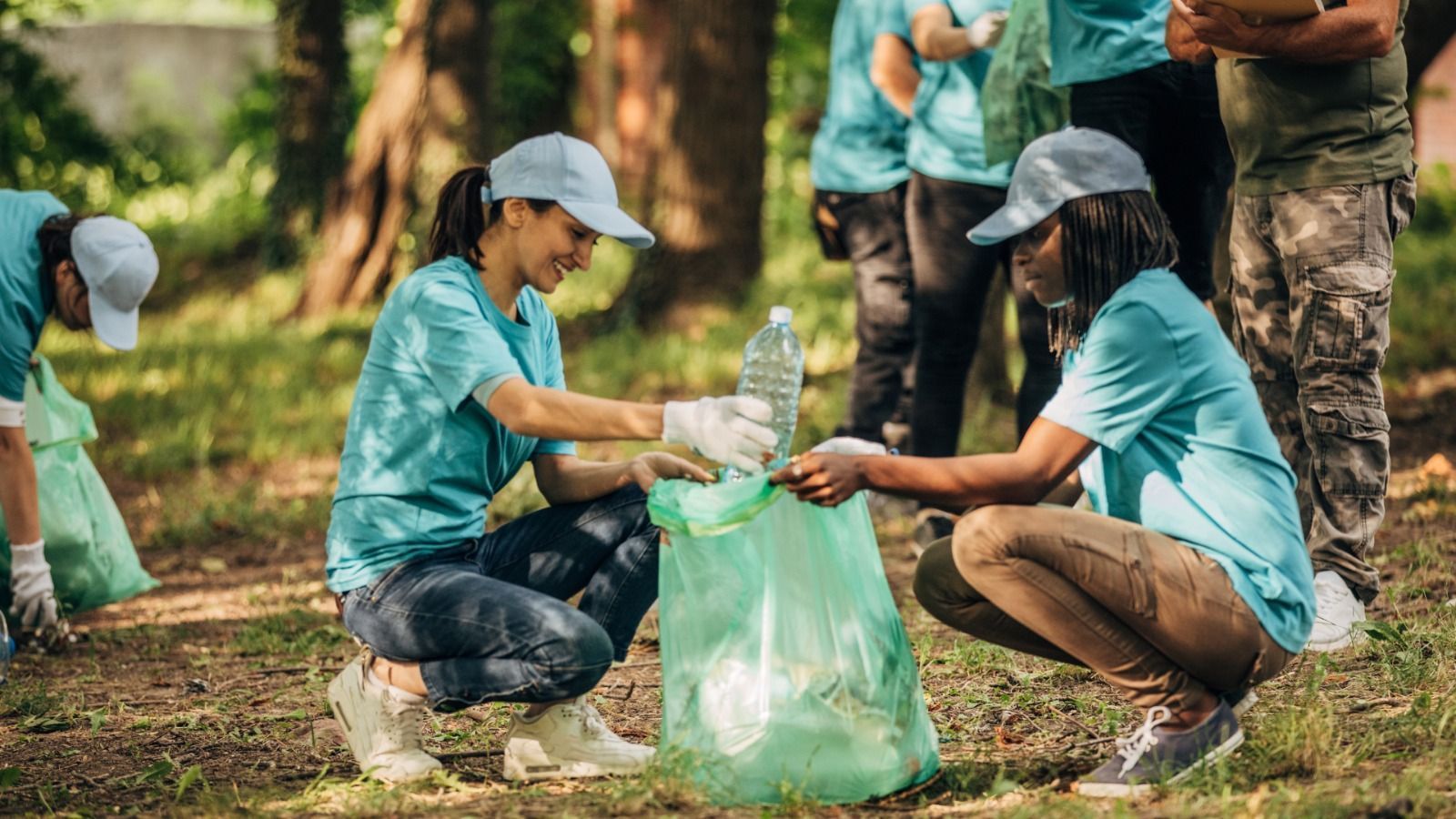
Single-use plastics pollute ecosystems, leach chemicals into food, and accumulate in landfills. Explore their environmental and health impacts and solutions to reduce plastic waste.

Employees play a crucial role in the successful implementation of waste solutions. Continuous training programs can keep the staff updated on best practices, new technologies, and methodologies for waste reduction.
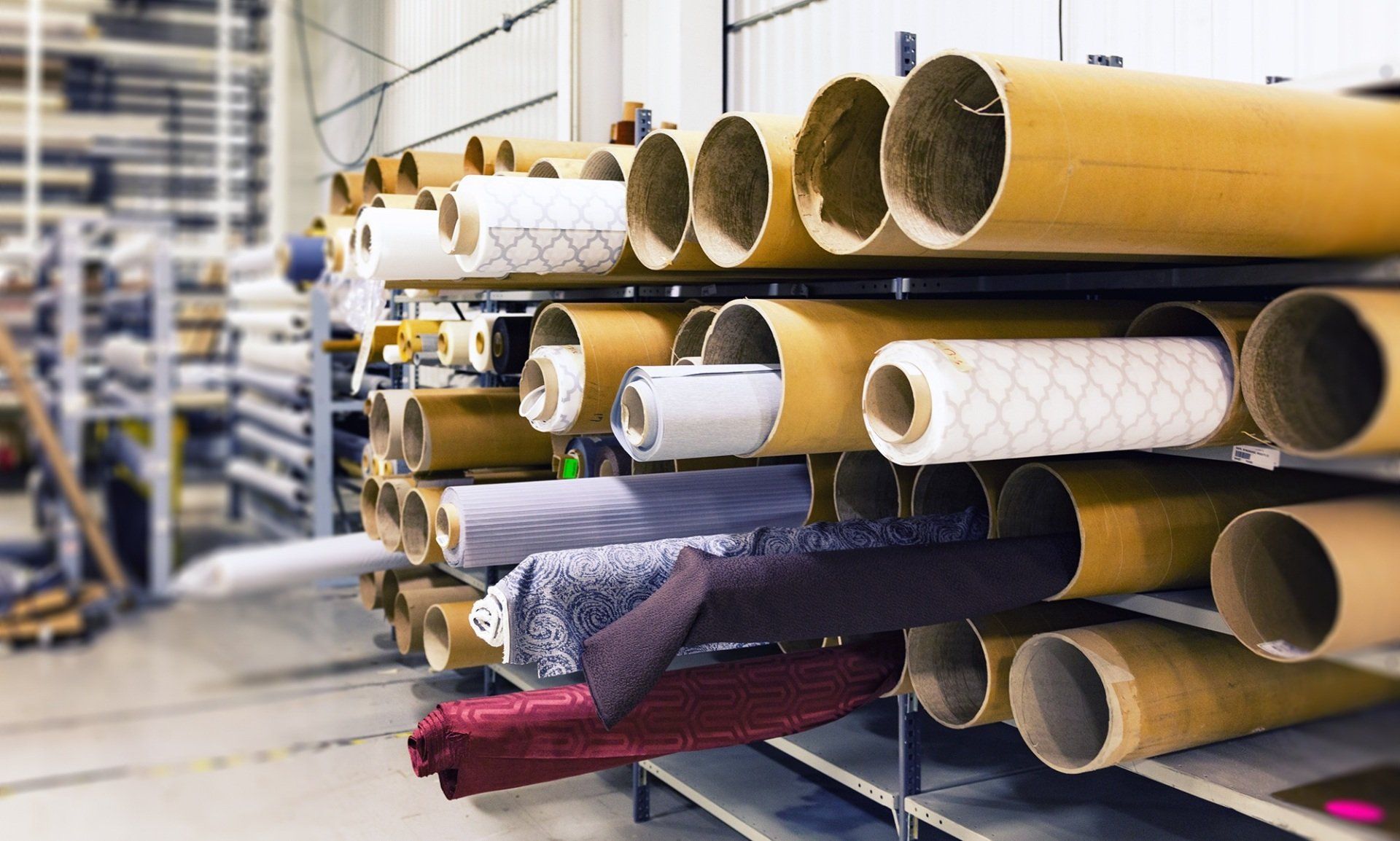
A successful business is not just about optimizing profits but also managing resources efficiently. For manufacturing businesses, waste management is paramount. Identifying areas where waste is generated is the first step towards finding effective waste solutions.

Fast fashion harms the planet through water pollution, CO2 emissions, and textile waste. Learn eco-friendly solutions to reduce your clothing footprint through sustainable laundry, recycling, and disposal.
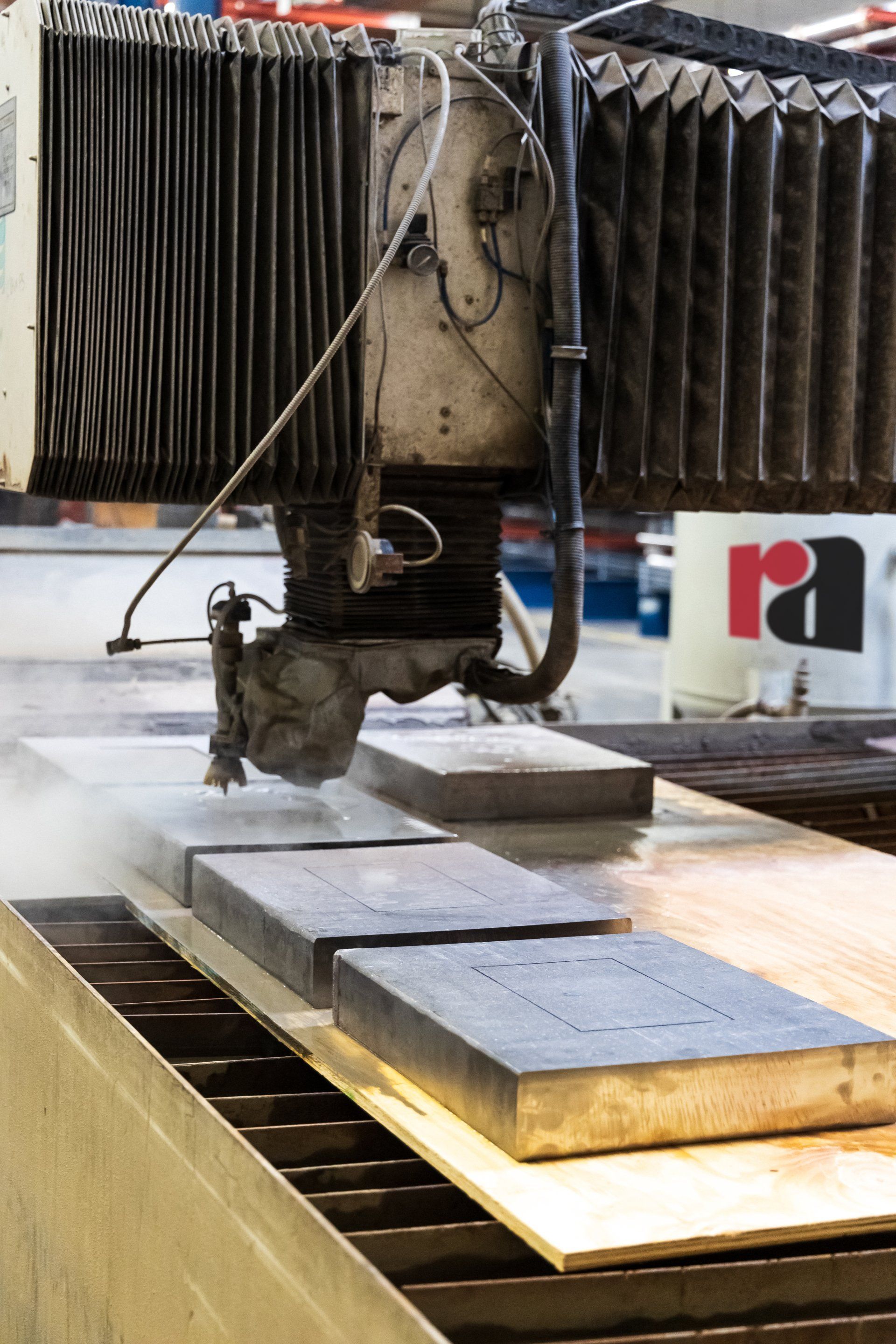
Strategizing on waste solutions goes beyond the confines of the business premises. It extends to the choice of suppliers and partners that a business collaborates with. Working with eco-friendly suppliers means that the products entering the manufacturing process are already optimized for minimal waste.
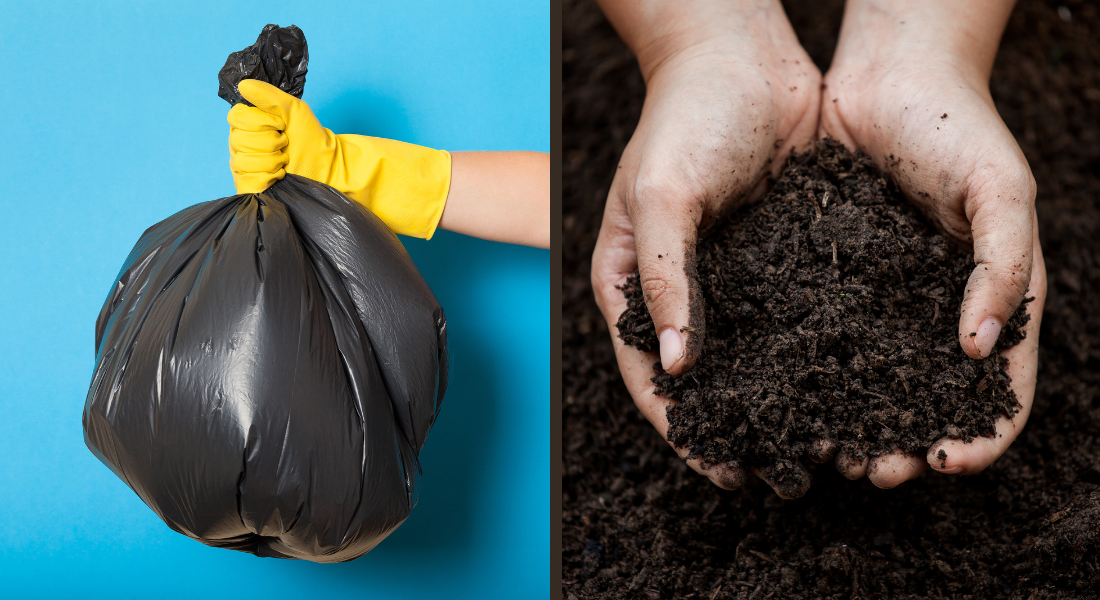
That crumpled receipt. The worn-out tennis shoes with the holes. The leftover spaghetti that's been in the fridge just a little too long. When we're ready to get rid of our waste, we toss it in the bin without a second thought. But where does our trash go after it leaves our homes? What happens to it next? The life cycle of garbage is more complex than you might think. By understanding the path our waste takes, we can make more informed choices to reduce its environmental impact.
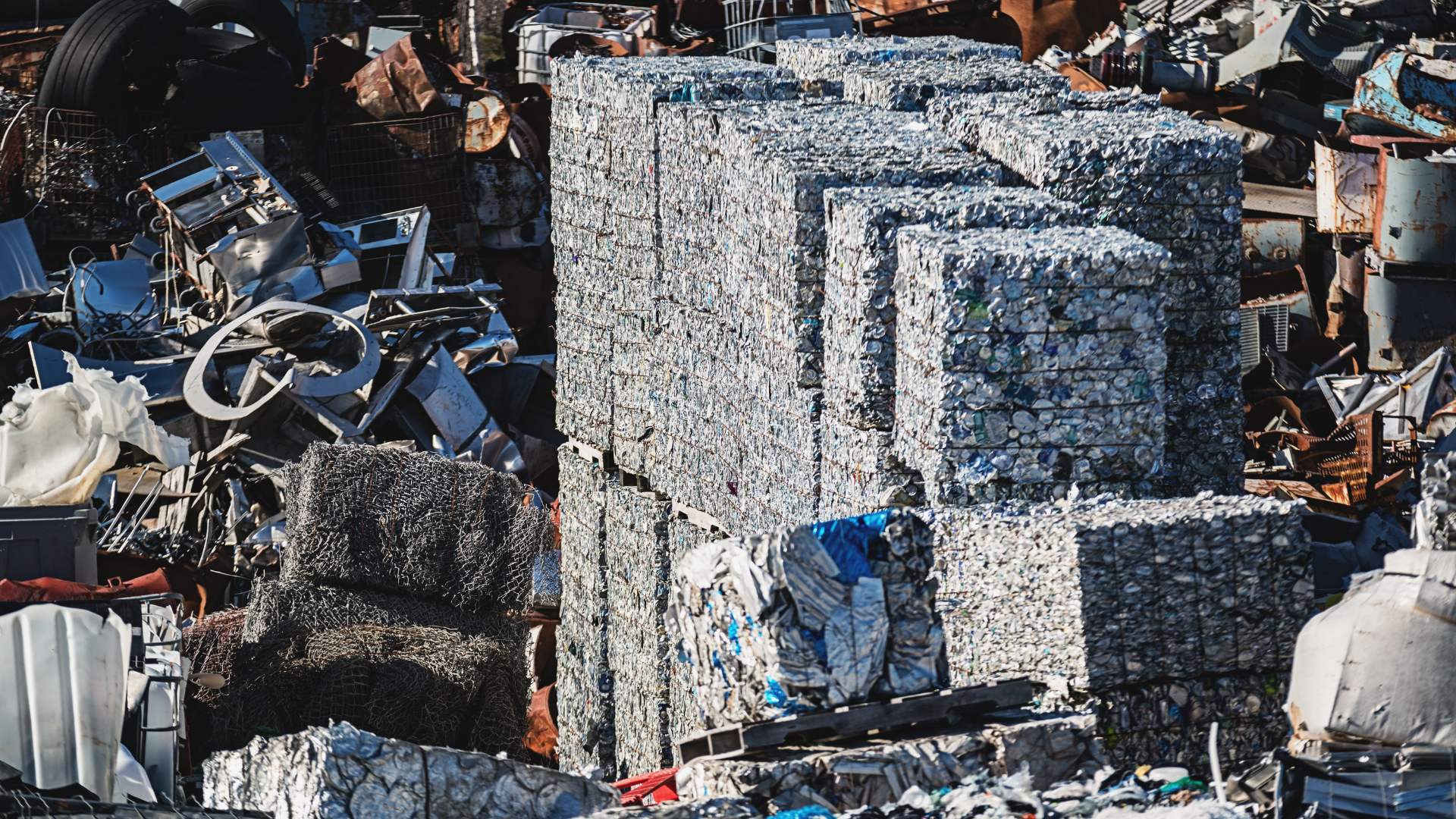
Discover what happens when you recycle, how different materials are processed and why recycling is essential for a sustainable future.
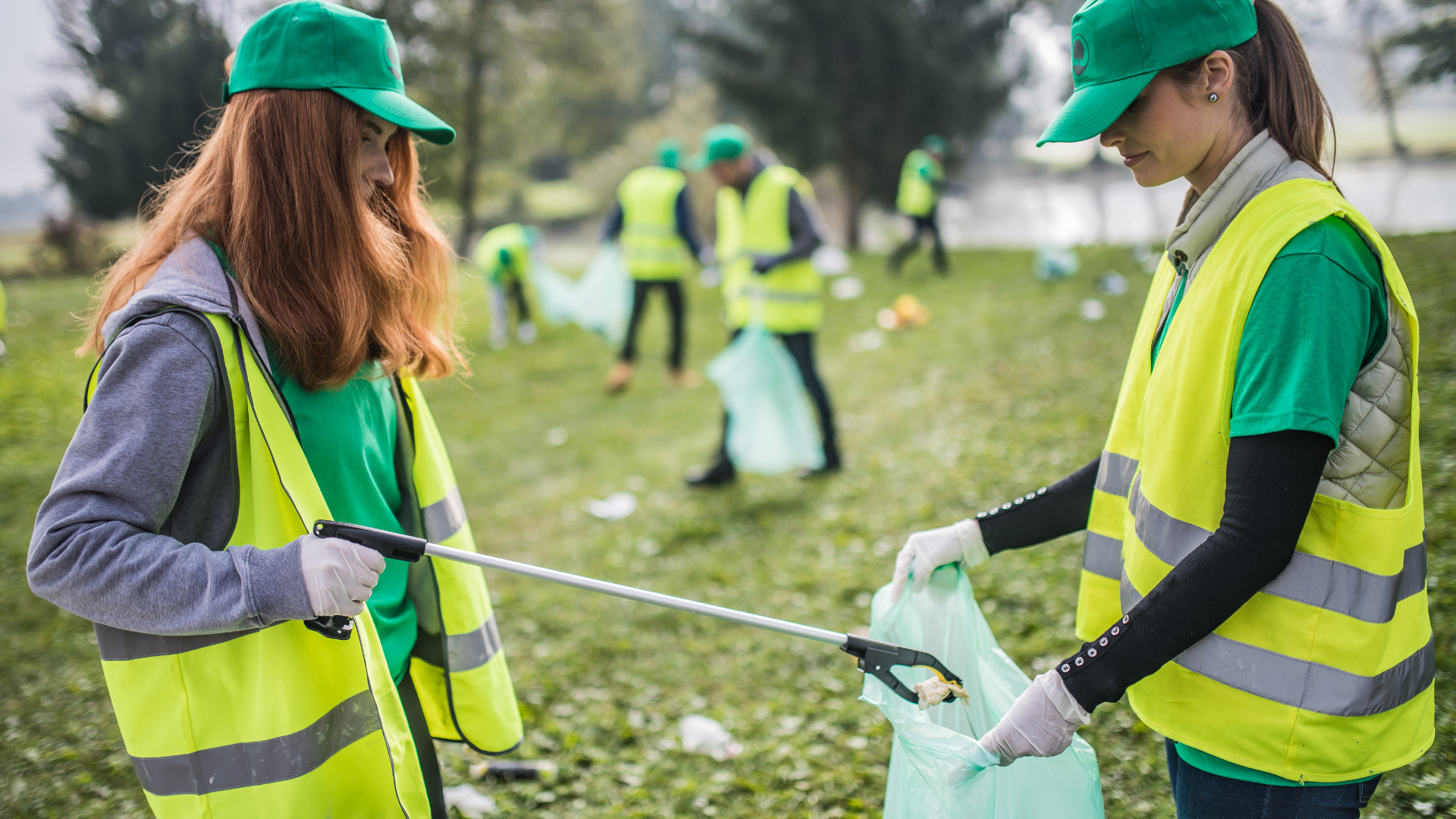
Discover the importance of responsible waste management, and learn what you can do to reduce waste and protect our planet from the adverse effects of waste pollution.