Why Is Recycling The Right Way Crucial?
Brad • July 30, 2021
Why Is Recycling The Right Way Crucial?
Recycling eliminates the need to extract, refine, and process raw materials, all of which pollute the air and water. Recycling saves energy while also lowering greenhouse gas emissions, this aid in the fight against climate change. This article explains why the recycling right way is crucial and the problems caused by recycling wrong.
Recycling eliminates the need to extract, refine, and process raw materials, all of which pollute the air and water. Recycling saves energy while also lowering greenhouse gas emissions, this aid in the fight against climate change. This article explains why the recycling right way is crucial and the problems caused by recycling wrong.

What Problems Are Caused by Incorrect Recycling?
Although you have the best intentions, improper recycling has consequences for the entire waste management system.
These are the reasons why only 100% recyclable materials should go to the recycle bin.
These are the reasons why only 100% recyclable materials should go to the recycle bin.
1. Placing Wrong Items
Many items are not acceptable for recycling because they can harm recycling equipment and pose serious safety risks to workers.
Lithium batteries can cause a fire in collection trucks. Medical syringes can injure recycling workers who sort recyclables with their hands.
2. Decreased Efficiency
Removing items that are not accepted for recycling is difficult and slows down recycling facilities. There are various types of “tanglers” at recycling centers, like plastic bags, ropes, and cords.
This leads to the shutting down of recycling facilities. Thus, the recycling process comes to a halt.
3. Increased Cost of Sorting & Collecting
It takes time and money to separate non-accepted items from the recycling stream. These items cannot be sold to manufacturers for recycling. Therefore, they need to be disposed of.
Non-accepted items can also cause costly recycling equipment to break down. Repairing that equipment regularly raises recycling costs.
4. Decreased Marketability & Worth of Recyclables
If contamination levels are too high the manufacturer who buys the recyclable material rejects it. As a result, the once valuable and recyclable material cannot get reused and be made into new products.
Thus the local recycling service has to pay to have the materials transported and disposed of.
Benefits of Recycling The Right Way
“In 2018, 32.1 percent of waste was recycled (including composting), down from 34.7 percent in 2015.”
Landfills and garbage recycling facilities are situated near poor communities, resulting in environmental injustice.
People can become less reliant on dumpsites with the aid of sustainable material management.
Recycling correctly ensures that old materials are repurposed into new products. It reduces the number of natural resources used by producers.
Therefore, it protects resources for future generations. It also reduces the demand for natural resource exploitation.
Recycling uses less energy than extracting and refining raw natural resources. Thus, it creates a more energy-efficient system while also reducing greenhouse gas emissions.
When the local recycling systems work well, fewer items like single-use plastic are littered into surrounding environments.
Recycling systems are an excellent way to limit the use of landfills and waste combustion facilities, stopping pollution from entering the atmosphere and water, and greenhouse gases.
A circular economy and thriving recycling systems can create job opportunities for many professions.
Recycling right is the best way to ensure that recyclable items are made into new goods, contributing to the growth of a circular economy, where valuable materials are kept in the cycle of productive use instead of being thrown away.
1. People & Communities Are Preserved
Landfills and garbage recycling facilities are situated near poor communities, resulting in environmental injustice.
People can become less reliant on dumpsites with the aid of sustainable material management.
2. Preservation of Natural Environment & Resources
Recycling correctly ensures that old materials are repurposed into new products. It reduces the number of natural resources used by producers.
Therefore, it protects resources for future generations. It also reduces the demand for natural resource exploitation.
3. Promotes Savings & Improves Energy Efficiency
Recycling uses less energy than extracting and refining raw natural resources. Thus, it creates a more energy-efficient system while also reducing greenhouse gas emissions.
4. Reduces Pollution & Greenhouse Gas Emission
When the local recycling systems work well, fewer items like single-use plastic are littered into surrounding environments.
Recycling systems are an excellent way to limit the use of landfills and waste combustion facilities, stopping pollution from entering the atmosphere and water, and greenhouse gases.
5. Promotes Creation of Jobs & Circular Economy
A circular economy and thriving recycling systems can create job opportunities for many professions.
Recycling right is the best way to ensure that recyclable items are made into new goods, contributing to the growth of a circular economy, where valuable materials are kept in the cycle of productive use instead of being thrown away.
Takeaway
When recycling is done correctly, it aids the local recycling systems in collecting, sorting, marketing, and manufacturing recyclable materials into new goods.
When the local recycling systems are effective, they may help communities, natural ecosystems, and local economies in various ways that have been mentioned above.
GET IN TOUCH TODAY
TVG Waste Consulting
provides proactive environmental consulting services. We're dedicated to saving you time, money, and making sure you have a custom solution to meet your needs.
Contact us
today!
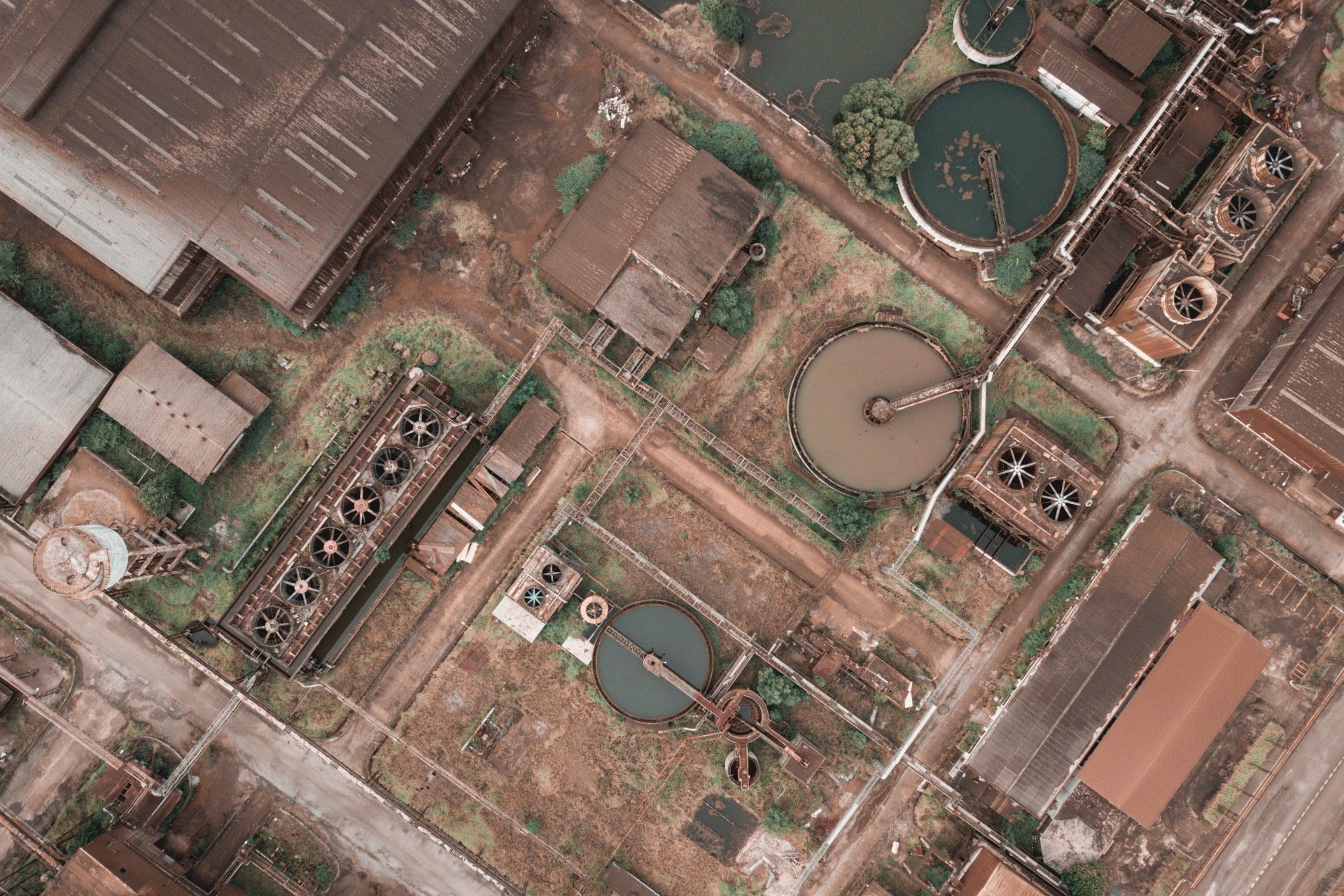
Investment in technology is pivotal in modern waste management strategies. Businesses should explore and invest in waste recycling technologies that align with their manufacturing processes.
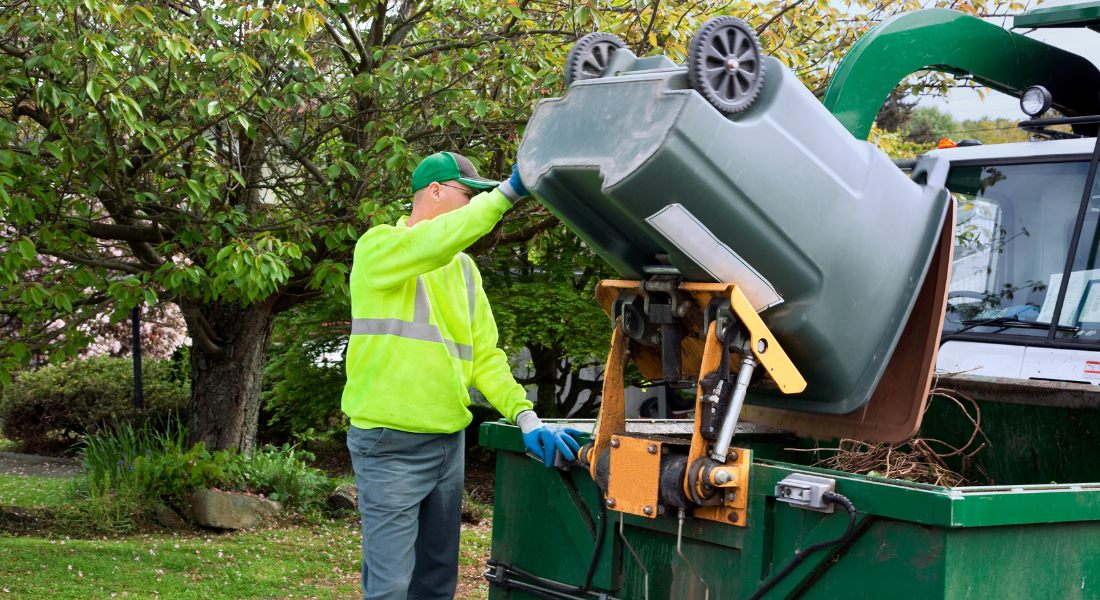
Learn about the stages of trash as it travels from the bin to the landfill and decomposes, including disposal, transportation, sorting, and breakdown. Understand your role in the waste life cycle through conscious consumption, proper sorting, and advocacy.
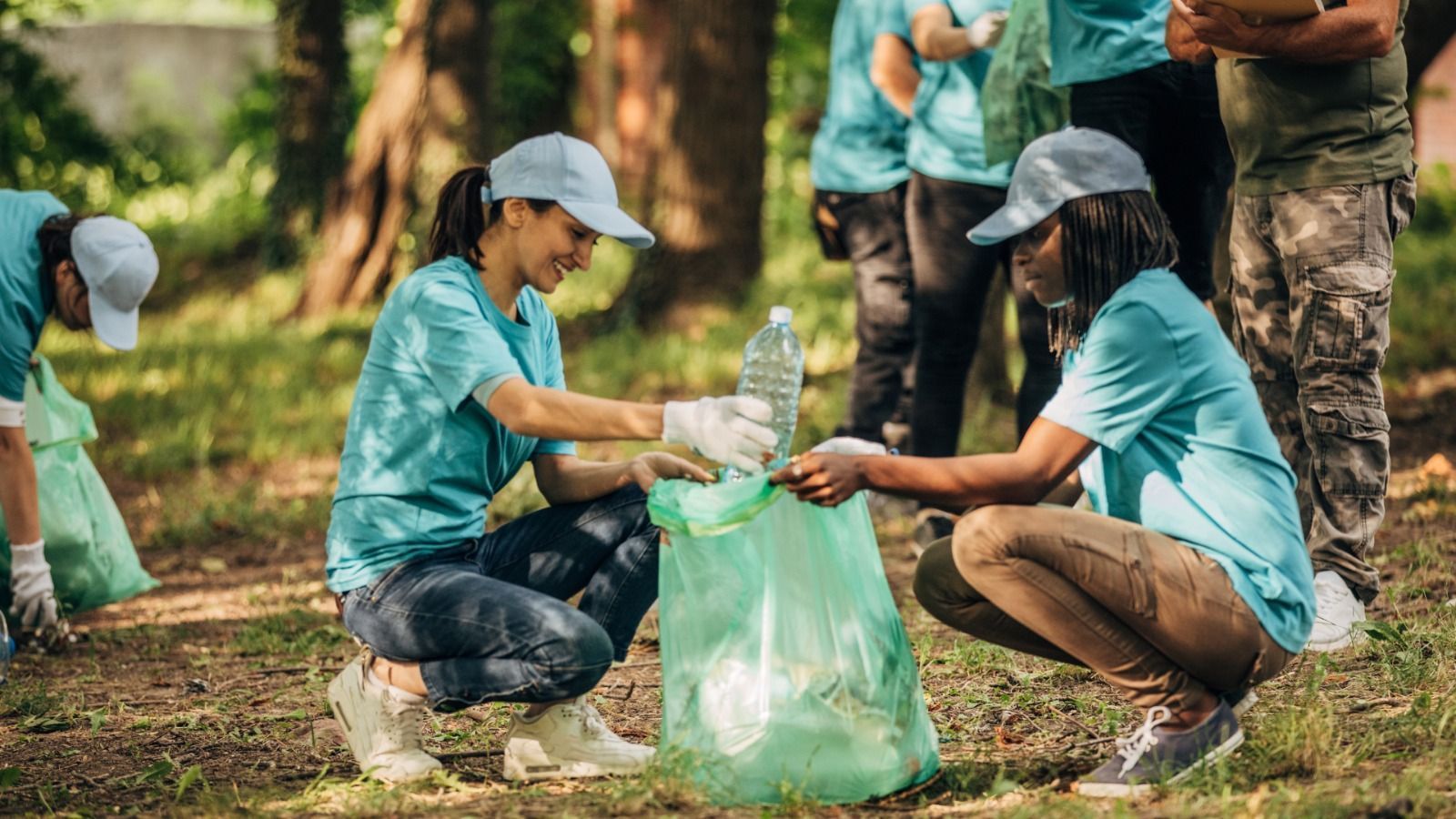
Single-use plastics pollute ecosystems, leach chemicals into food, and accumulate in landfills. Explore their environmental and health impacts and solutions to reduce plastic waste.

Employees play a crucial role in the successful implementation of waste solutions. Continuous training programs can keep the staff updated on best practices, new technologies, and methodologies for waste reduction.
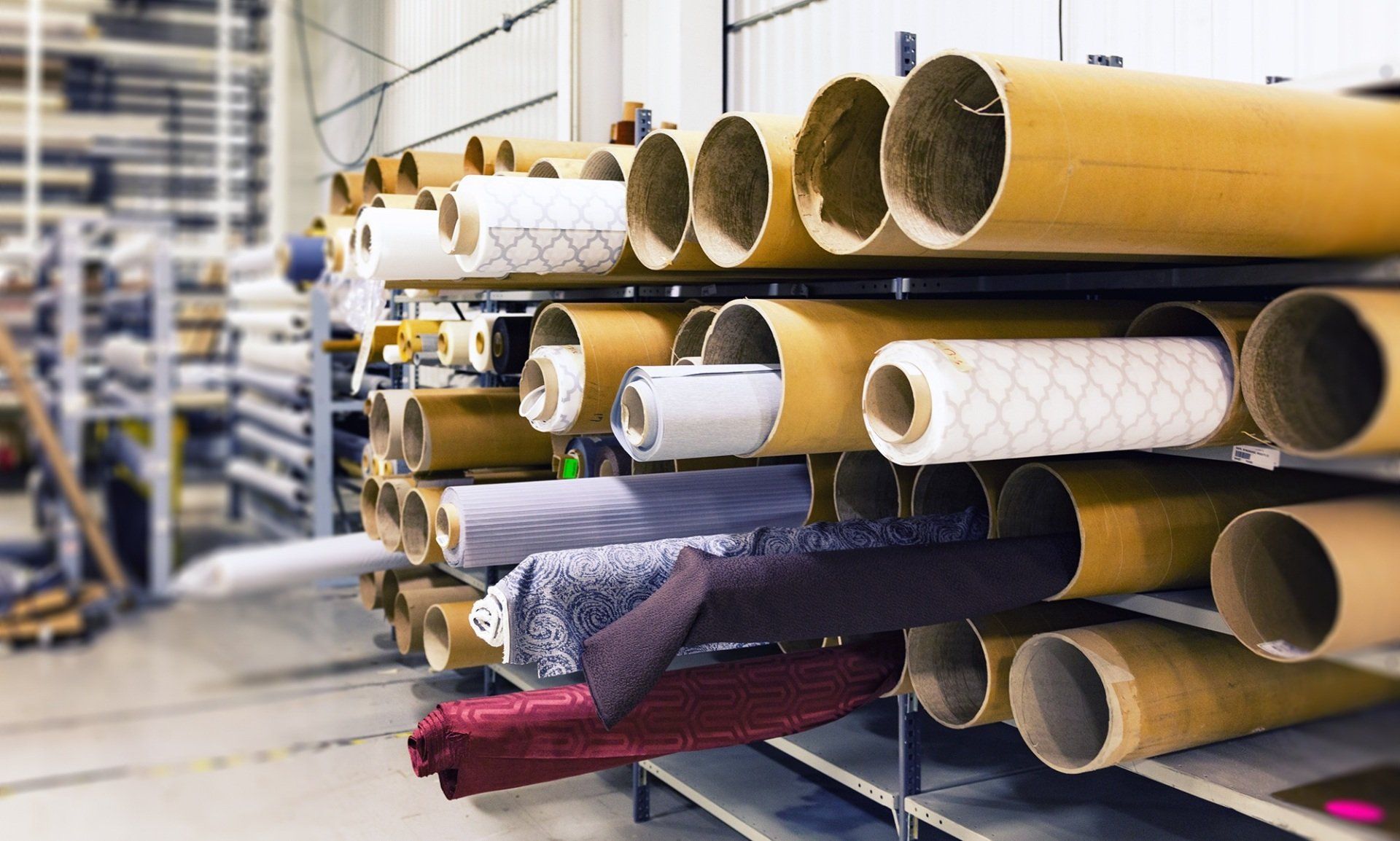
A successful business is not just about optimizing profits but also managing resources efficiently. For manufacturing businesses, waste management is paramount. Identifying areas where waste is generated is the first step towards finding effective waste solutions.

Fast fashion harms the planet through water pollution, CO2 emissions, and textile waste. Learn eco-friendly solutions to reduce your clothing footprint through sustainable laundry, recycling, and disposal.
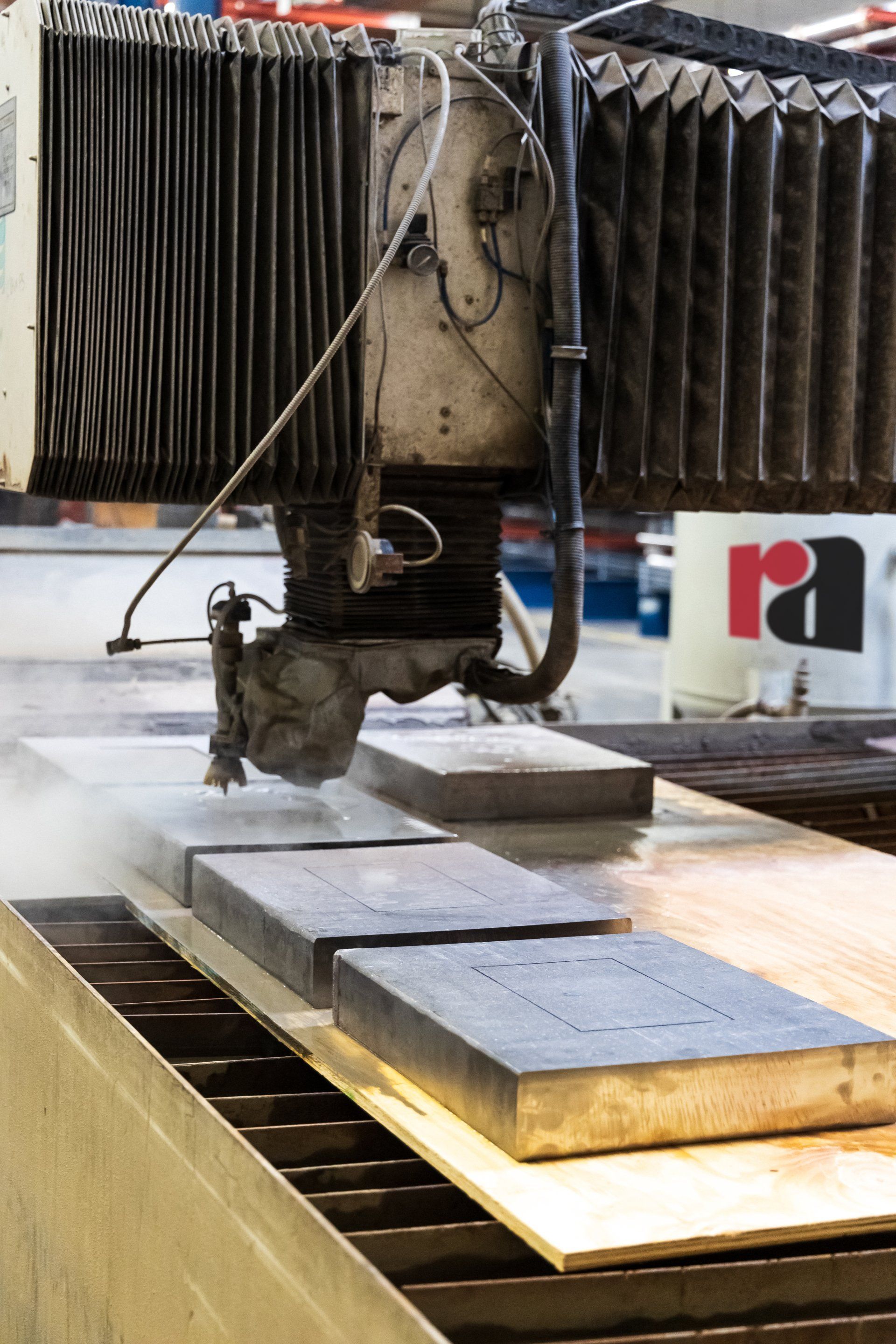
Strategizing on waste solutions goes beyond the confines of the business premises. It extends to the choice of suppliers and partners that a business collaborates with. Working with eco-friendly suppliers means that the products entering the manufacturing process are already optimized for minimal waste.
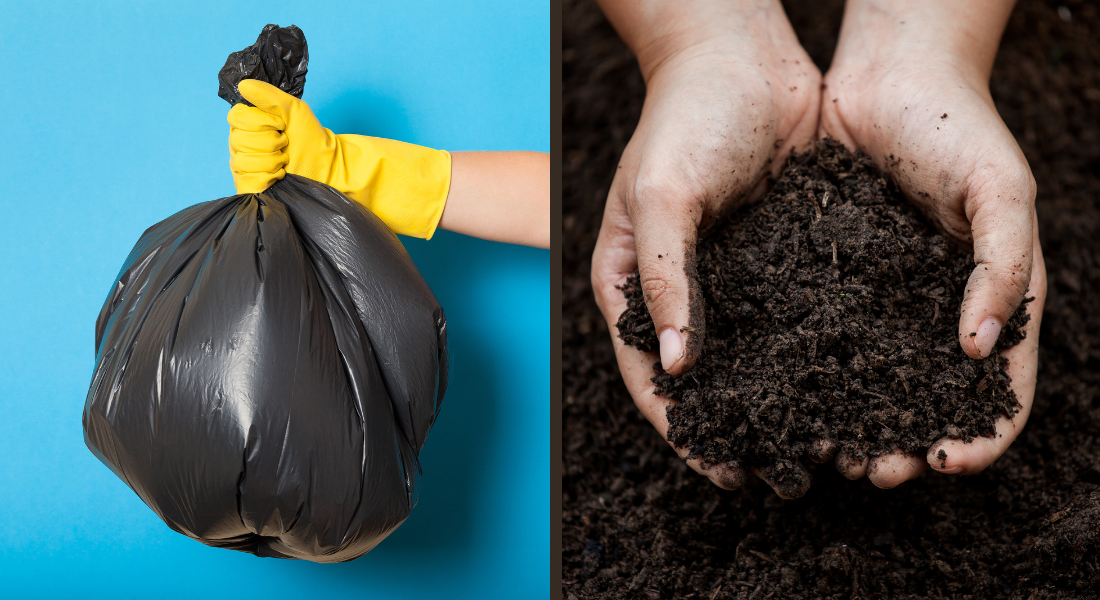
That crumpled receipt. The worn-out tennis shoes with the holes. The leftover spaghetti that's been in the fridge just a little too long. When we're ready to get rid of our waste, we toss it in the bin without a second thought. But where does our trash go after it leaves our homes? What happens to it next? The life cycle of garbage is more complex than you might think. By understanding the path our waste takes, we can make more informed choices to reduce its environmental impact.
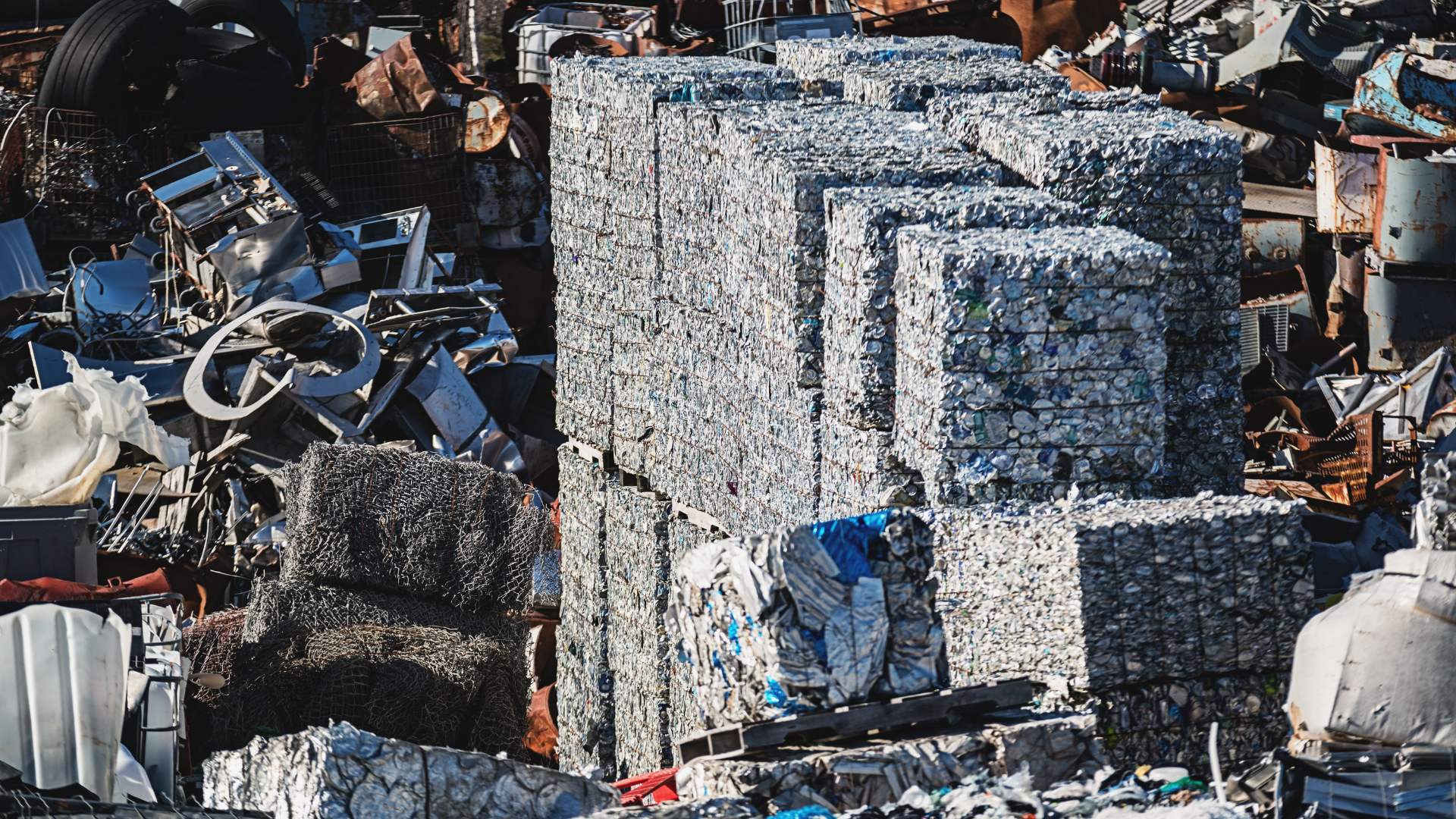
Discover what happens when you recycle, how different materials are processed and why recycling is essential for a sustainable future.
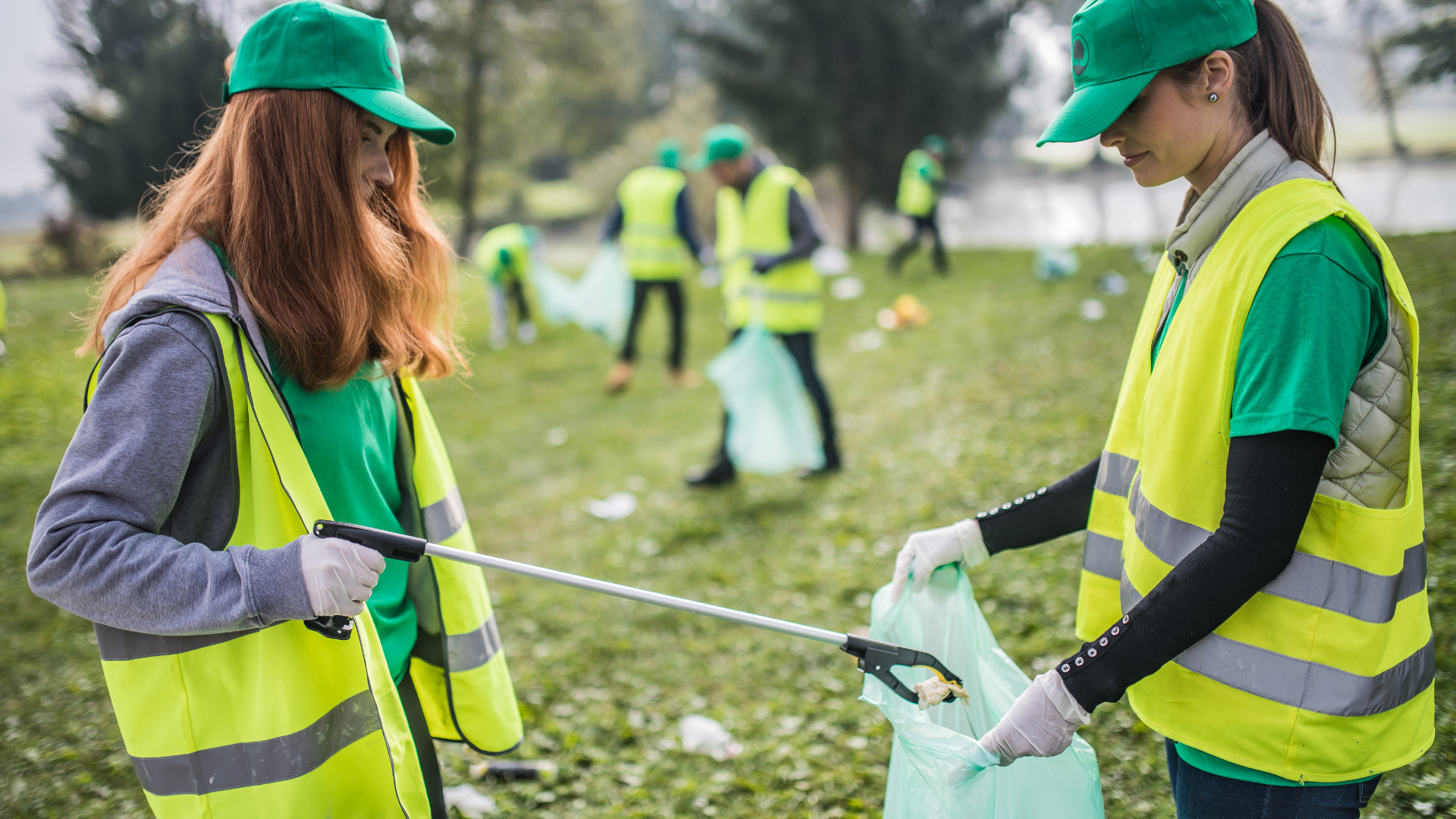
Discover the importance of responsible waste management, and learn what you can do to reduce waste and protect our planet from the adverse effects of waste pollution.